
Zero R: Pirelli signs the hybrid debut of the Audi RS 5 and the return of the RS 3
From the new RS 5 hybrid to the RS 3 'Competition Limited', Pirelli offers the new P Zero R and Trofeo R tyres, bringing motorsport technology into everyday use

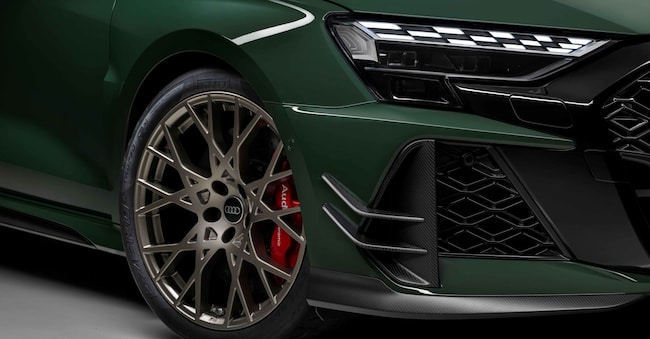
There is a deep bond that unites Milan and Ingolstadt, a collaboration that has lasted more than 25 years and that today writes a new chapter in extreme performance and safety. Pirelli has in fact announced the development of bespoke versions of its P Zero R for the new icons of Audi: the RS 5 and RS 3, including the very exclusive "Competition Limited" version.
The heart of the development focused on stopping power. Thanks to joint work between the Pirelli R&D centre in Breuberg, Germany, and the Bicocca headquarters in Milan, the new P Zero R has come close to matching the performance of the brand's famous Trofeo R, the brand's semi-slick track tyre. The result is ultra-short braking distances and high resistance to stress. All thanks to a compound optimised to offer instant grip even when cold.
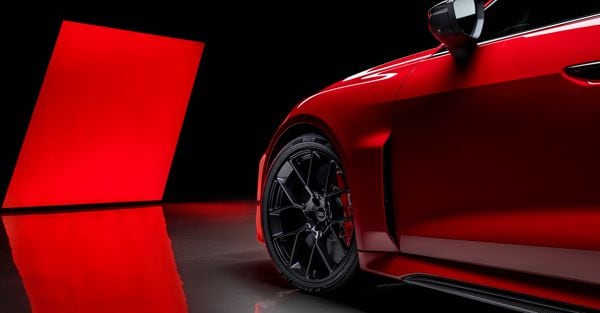
The real technological challenge this season, however, was the Audi RS 5, the German brand's first high-performance plug-in hybrid. The increased weight due to the batteries required Pirelli to develop a reinforced structure with a high load index, called High Load (HL). This 21-inch tyre has been designed to handle the massive torque of the hybrid system, guaranteeing stability and driving precision despite the weight increase, keeping faith with the 'Perfect Fit' philosophy.
To celebrate half a century of the legendary five-cylinder engine, Audi has launched the RS 3 'Competition Limited'. In this case, there is a choice of two distinct souls. The standard P Zero R is ideal for those looking for the perfect balance between dry and wet grip and ride comfort. Those who instead aim for the kerbs can opt for the P Zero Trofeo R, a semi-slick approved for the road but born for the track, capable of setting record times like those already recorded at the Nürburgring.
Behind these numbers is a massive use of digital simulation, which made it possible to predict the behaviour of the tyres based on weight distribution and engine torque even before they hit the track. The virtual data was then confirmed by thousands of kilometres of physical tests in the hallowed places of motor racing, from the Nürburgring Nordschleife to the laboratories in Milan. This historic partnership is also certified by the specific R0 marking on the tyre sidewall.

