
107% US tariffs on Italian pasta
The extra tariff was decided following an anti-dumping investigation against the Garofalo and La Molisana brands. Farnesina and Masaf already working on the dossier

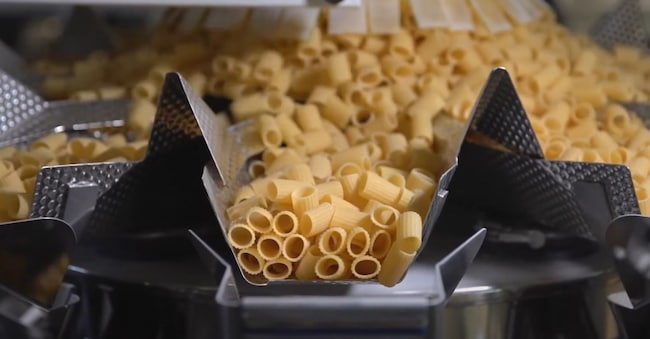
There is no peace for Italian food products in the United States, its most important export destination after the European market. As of 1 January 2026, the US administration is preparing to impose tariffs of as much as 107% on Italian pasta. To the 15% tariff already imposed by the White House, in fact, a further 91.74% is about to be added, motivated by the dumping accusations that the US administration is directing in particular at two Italian pasta producing companies, La Molisana and Garofalo, which have allegedly been the subject of an investigation by the US Department of Commerce.
Every year, at the request of some American pasta companies, the US Department of Commerce launches an investigation into imports of this product from Italy, but usually these kinds of reviews end with additional tariffs of 1 or 2 per cent at most. This time, however, weighted average dumping margins of 91.74% were found for the period between 1 July 2023 and 30 June 2024. In addition to La Molisana and Garofalo, the department's report mentions other exporters including: Agritalia, Aldino, Antiche Tradizioni Di Gragnano, Barilla, Gruppo Milo, Pastificio Artigiano Cav. Giuseppe Cocco, Pastificio Chiavenna, Pastificio Liguori, Pastificio Della Forma, Pastificio Sgambaro, Pastificio Tamma and Rummo. The new tariffs will apply to all of these; for those already producing in the US - such as Barilla - the impact of the tariff will be less.
The Farnesina has made it known that it has been following the case since early September, when the US Department of Commerce published the preliminary outcome of its investigation. The Minister of Agriculture, Francesco Lollobrigida, has also already taken up the dossier: 'Together with the Italian ambassador to the United States, Marco Peronaci, we are closely following the alleged anti-dumping action, which would trigger a hyper-protectionist mechanism towards our pasta producers of which we see neither the need nor any justification'.
For Luigi Scordamaglia, CEO of Filiera Italia, this is a real 'forcing, intervened in a particularly delicate moment, which will benefit those who produce pasta in the United States, damaging all those who instead export pasta from Italy to the US'.
The 107% super tariffs risk overwhelming one of the most distinctive sectors of Italian-made products in the world. Of the more than 4 million tonnes of pasta that Italy produces every year, in fact, 60% takes the foreign route: the stars and stripes market alone, for our pasta makers, is worth almost 700 million dollars, out of a sector that invoices a total of 8.7 billion euros every year.


