Peccioli: 235 million in revenue from waste
The case of the municipality in the province of Pisa is the best-known example in Italia of overturning the ‘Not In My Back Yard’ (NIMBY) mindset, thanks to a green model for waste management and disposal

Key points
- Belvedere Spa: the business model
- Moving beyond the NIMBY paradigm: environmental policies
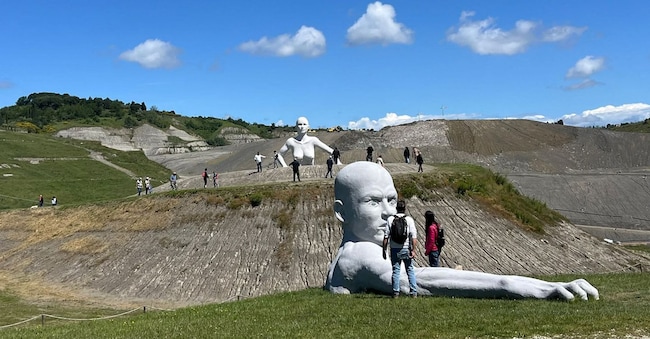
- Beyond the environment: Welfare, art and community
- The innovative oxy-combustion plant
- Peccioli’s waste management model sets an example in New York
- Peccioli is becoming increasingly attractive: tourist arrivals up 96 per cent compared with 2019
The Pichetto Bill on sustainable nuclear power – as stated in article by Celestina Dominelli in Sole 24 Ore – does not specify the sites for future power stations. Site selection will be based on technical, environmental and territorial criteria: nuclear safety, seismic activity, hydrogeological risk, availability of infrastructure, connection to the grid and characteristics of the territory. Provision is made for consultation with the communities concerned. However, during the parliamentary scrutiny of the bill, the Chamber of Deputies introduced the possibility for local authorities to put themselves forward as candidates to host the new plants.
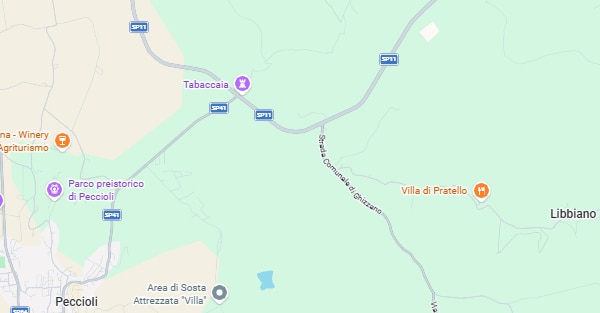
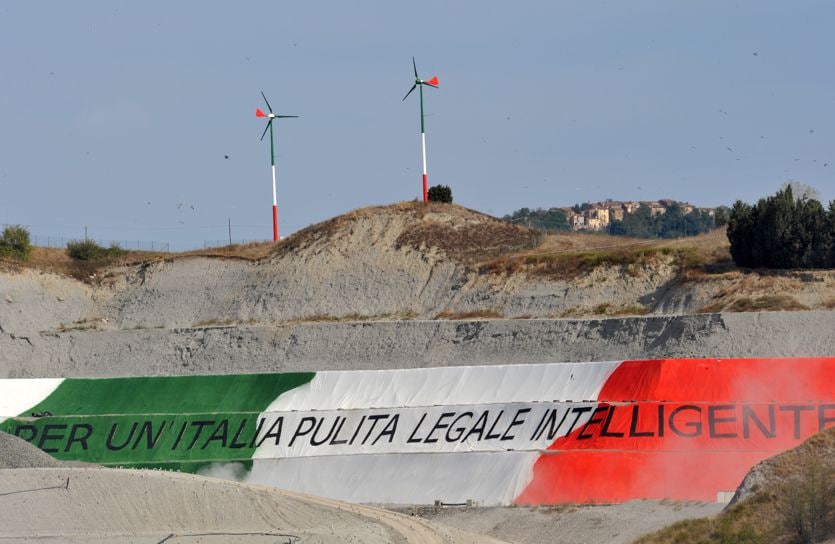
One’s thoughts turn to the case of the municipality of Peccioli, which in 1986 – to everyone’s surprise, given that waste and incinerators were viewed by all as a nuisance – decided to turn a problem into a resource. The council reclaimed the old landfill site, building a safer facility and operating a waste management centre renowned nationwide for its advanced use of the landfill, a biogas digester for biomethane and photovoltaic systems.
The context and overview
The so-called Peccioli System (in the province of Pisa) is one of the most robust test beds in Italia for sustainable local development. Over 25 years, the company that runs it has paid 235 million euros to the local council.
The core of the model lies in having transformed a typical regional challenge – waste management and the presence of a large waste disposal plant – into the area’s main economic, social and cultural driving force.