

60,000 pharmacists on strike: possible disruptions in pharmacies, but they will remain open
Dispensing of the drug will be ensured, but depending on strike adherence there may be some inconvenience
Key points
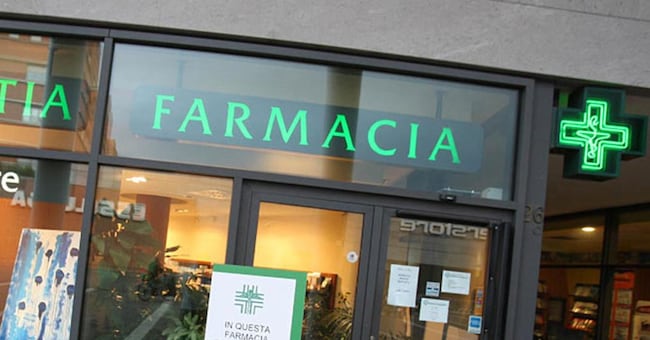
Strike action has been called by pharmacists: around 60,000 employees of private pharmacies affiliated with the National Health Service, including pharmacist-collaborators and staff, will cross their arms for 24 hours on 6 November to demand the renewal of their employment contract, which expires in 2024. The strike is called by the category federations Filcams Cgil, Fisascat Cisl and Uiltucs after the breakdown of negotiations with the employer party Federfarma. There are more than 18,000 Federfarma member private pharmacies throughout the country. Pharmacies are an essential public service, which must be guaranteed in any case: citizens will therefore find pharmacies open and therefore the dispensing of medicines will be guaranteed, but depending on the number of strike participants, there may be some inconvenience and the suspension of additional services, such as vaccinations, swabs, telemedicine ecg, blood pressure measurement and all other activities other than the dispensing of medicines
The employees' protest and the breakdown of negotiations
Private pharmacy employees will cross their arms for the entire work shift to protest against the non-renewal of the contract that expired on 31 August last year. The strike, proclaimed by the Filcams Cgil, Fisascat Cisl and Uiltucs unions, will involve more than 60 thousand workers. Negotiations broke down after the last meeting on 9 October because the pharmacy owners' association's economic proposal of a total gross increase of 180 euro for the next three years was deemed 'inadequate' by the unions. "Private pharmacies are essential health and social garrisons and the professionalism of pharmacists and pharmacists deserves respect, recognition and contractual protections that match the skills required by the service," the unions said in a note. Filcams, Fisascat and Uiltucs denounce the "closed attitude and unwillingness to constructive confrontation" of the National Federation of Pharmacy Owners (Federfarma), which "continues to deny pay rises commensurate with the cost of living and the recognition of the professional value of those who guarantee a proximity health service every day, which is fundamental for millions of citizens". The unions call on the employers' association to return to the negotiating table, "showing that it really wants to protect those who work in private pharmacies, recognising a contract that reflects the real value of the profession". Tomorrow's strike will be accompanied by garrisons and demonstrations in numerous Italian cities.
Federfarma's defence: unrealistic demands
"Although this further initiative is part of the exercise of workers' constitutional rights, it places new obstacles in the way of renewing the contract, slowing down negotiations that had been restarted and postponing the application of new conditions aimed at improving the economic aspects and quality of life of pharmacy employees. It must also be remembered that pharmacies are an essential public service, which must in any case be guaranteed. Therefore, citizens will still find pharmacies open on 6 November," Federfarma recalled in recent days. "During the negotiations, Federfarma - the note goes on to underline - had formulated an initial proposal for a salary increase of EUR 120.00 per month, which was subsequently increased to EUR 180.00 to meet the unions' demands. Alongside the salary increase, Federfarma was prepared to recognise a series of additional benefits, both in terms of welfare services and by providing targeted training courses during working hours and additional guarantees for maternity and accident insurance. The unions, on the other hand, remained rigidly anchored to the request for an increase of EUR 360.00 per month. An unrealistic request, because it is unsustainable for thousands of pharmacies, which guarantee service in small towns and depressed areas".


