
Acacia honey, stocks alarmed by collapse in production in Eastern Europe
The packers of Unione italiana food: there is a risk that there is not enough product in the supermarkets. Positive year in Italy, but national production is not sufficient to meet demand

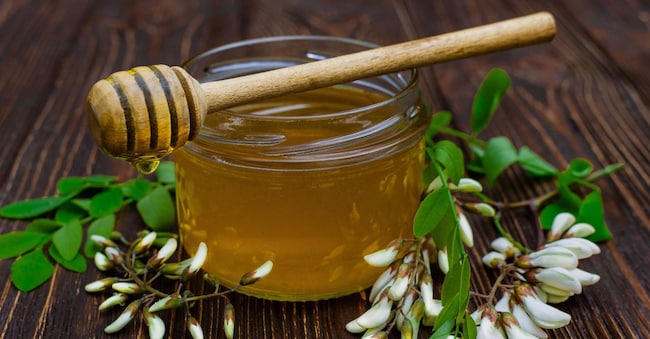
In the coming months, those accustomed to consuming acacia honey will probably struggle to find it on supermarket shelves, or at any rate will find less of a range and most likely at a higher price. This is the consequence of the effects of climate change affecting bees and hives in Eastern Europe, a key supply area for Italian packers.
Fortunately in our countrythe season was good (after the collapses of the past) however, national acacia honeyis not enough to satisfy demand and has a higher price: a worrying scenario for companies in the sector. The Italian Food Union has in fact "raised the alarm on the serious supply difficulties for European acacia honey, due to the low harvests recorded in Eastern European countries traditionally known for the production of quality acacia honey, first and foremost Hungary, Romania and Bulgaria, but also non-EU countries such as Ukraine and Moldova".
Estimates speak ofan 85% drop in production compared to 2024 in Hungary, historically one of the main suppliers to the Italian market, 'where domestic consumer demand for honey exceeds the quantities produced domestically,' they recall from Unionfood.
The consumption of packaged honey in Italy in 2024 generated a turnover of more than 152 million and acacia honey - among the most valuable because it is in high demand but also because the difficulties in producing it have increased in recent years - is in one jar sold out of seven. This is why a price increase could be envisaged.
"The weather and climatic conditions have had very significant consequences in Eastern European countries this spring," says the president of the Uif Honey Group, Raffaele Terruzzi. "Many bee colonies have not survived the winter, with 50% deaths in Serbia and 30% in Hungary. It is a very difficult situation for beekeepers in those countries and for Italian and European honey packers, who need to source acacia honey from Eastern European countries.


