
The devastating impact of the sea nut on the Upper Adriatic Sea: what damage and possible solutions
Similar to jellyfish and harmless to humans, they feed on fish and shellfish larvae and prevent fishing activity by rendering nets useless. Can be reused in cosmetics
Key points
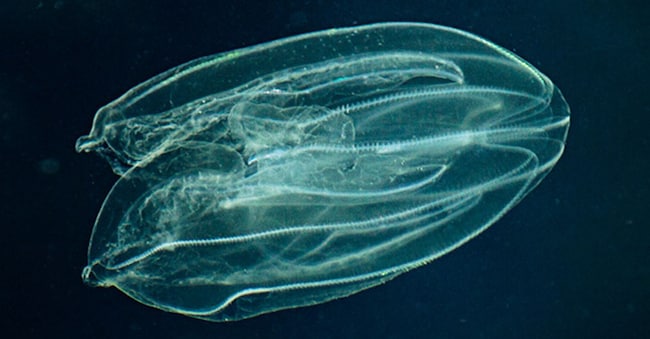
The recent crisis in shellfish fishing in the Upper Adriatic Sea, with700 VAT consignments ceasing in just a few months and a turnover related to fishing for clams plummeting from 120 to 13 million, have brought to the fore, in addition to the blue crab, another allochthonous marine species that is particularly harmful to the marine ecosystem: the sea crab.
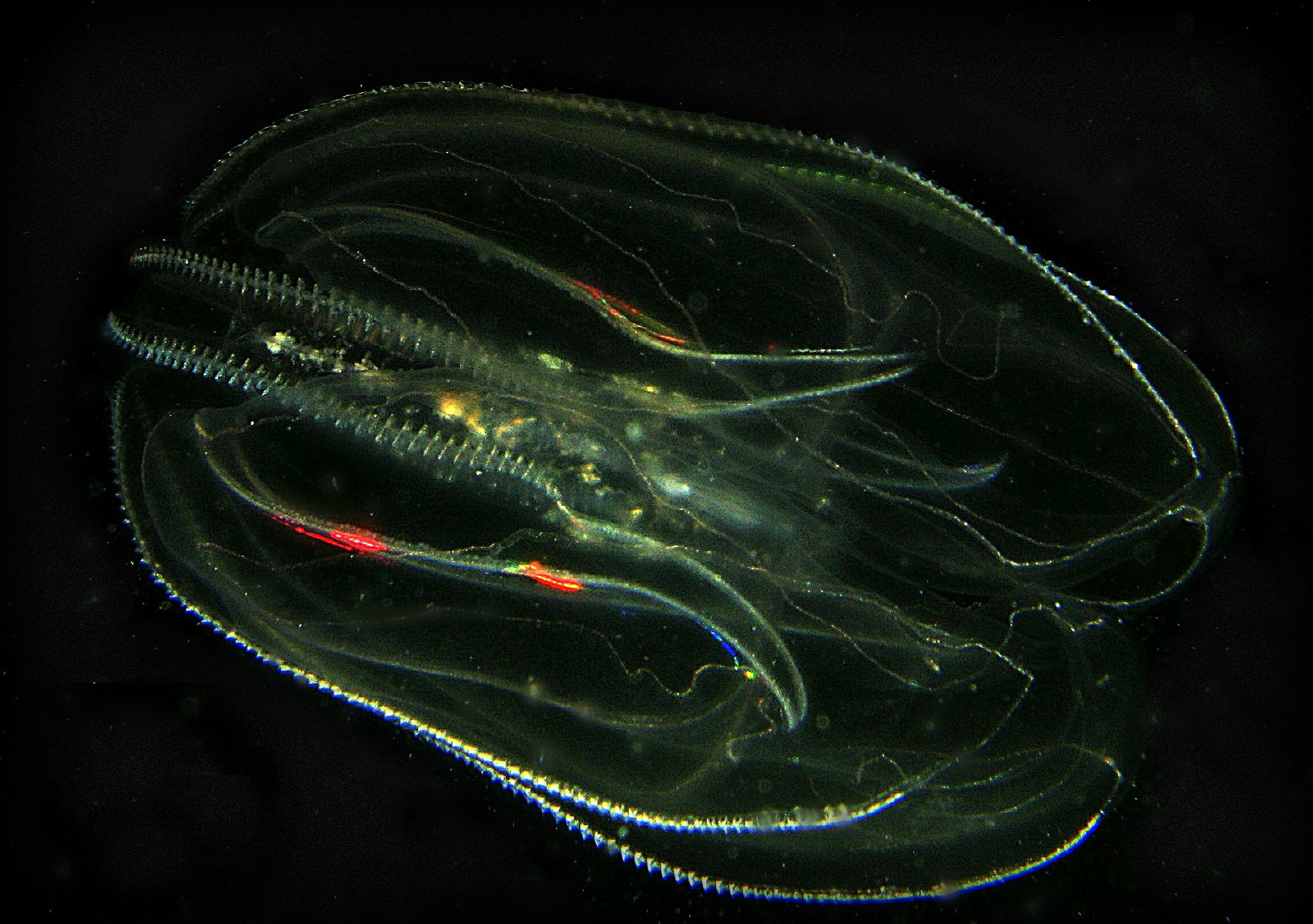
It is a species very similar to the jellyfish although smaller in size, often transparent, which is not harmful to humans because it has no spines or stinging tentacles but is extremely voracious of plankton and fish and mollusc larvae. Plankton is at the base of the food chain and its absence in a basin can lead to the annihilation of entire marine species.
The first sightings in the Black Sea
'It was first detected in the Black Sea at the turn of the 1980s and 1990s,' explains Michele Doz, head of the General Association of Italian Cooperatives (Agci) Pesca of Friuli Venezia Giulia. 'Having landed in the Black Sea probably coming from Asia or Latin America, they were spilled into the sea by washing out ship tanks. And once in the sea, they reproduced with great speed until in a few years they wiped out anchovies and blue fish in the Black Sea. And now they have reached us in the Upper Adriatic Sea'.
Damage to the marine ecosystem
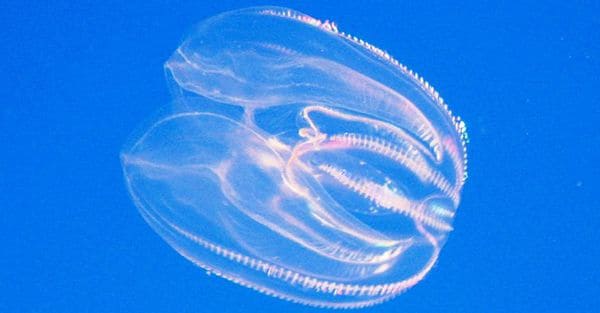
The sea nut is a hermaphrodite that eats up to 10 times its own body weight, and as a hermaphrodite it reproduces autonomously and with great speed. "They cause damage to the marine ecosystem and fishing in two ways," Doz goes on to explain. "On the one hand, by feeding on plankton as well as on the larvae of blue fish and molluscs, they are an aggressive competitor of these species and cause their disappearance. And, in a chain, they also damage other species such as mackerel and tuna that feed on blue fish'.
Damages for fishermen
But, above all, the sea nuts create serious damage to fishing. "Because," the cooperation manager continues, "as they reproduce in the hundreds of thousands, they end up producing a gelatinous expanse that gets caught in the nets and makes them unusable. The nets become weighed down by this gelatinous material and settle to the bottom of the sea without being able to work, to fish, anymore'.


