Upper Adriatic

Fishing, it's a black crisis for clams: turnover drops from 120 to 13 million. Here's why

Causes include pollution, climate change and blue crab

by Giorgio dell'Orefice

3' min read

Translated by AI
Versione italiana

3' min read

Translated by AI
Versione italiana

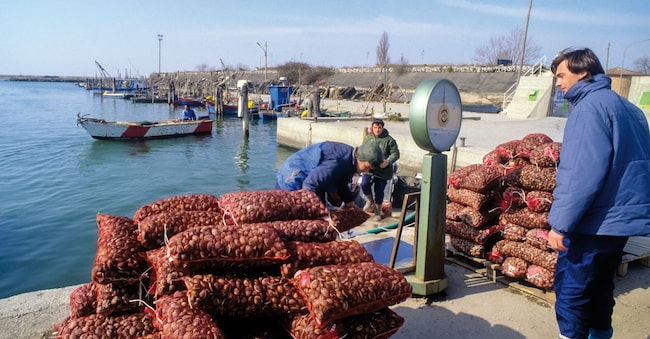
A disaster. The crisis in the Upper Adriatic in the shellfish fishing sector, with clams in the front row, is extremely serious. The numbers speak for themselves: about 700 VAT registrations have ceased, and turnover has dropped from 120 million euro (80 for clams and about 40 for lupins) to just over 13 million. Over 500 families in serious difficulty.

It is a real cry of pain that was launched by the fishermen of the Northern Adriatic (who cover over 30% of national clam production) today, 13 January, at a meeting with the heads of the fishermen's cooperatives and the Veneto Region.

Loading...

The crisis

Companies in the sector,' they explain to the General Association of Italian Cooperatives (Agci) in Veneto, 'have been inactive for more than 15 months, with no concrete prospects of recovery in 2026.

Recent sowing of clams has not produced any results: samplings do not detect the presence of the product. This scenario,' they add at Acgi Veneto, 'suggests the possible presence of pollutants - such as pesticides or heavy metals - that are not currently monitored by the authorities in charge, which limit themselves to seasonal checks on the bacterial load.

"Stopped by 2024"

'We have been at a standstill since 2024,' explains the head of Agci (General Association of Italian Cooperatives) Veneto, Gianni Stival. Many blame the blue crab but the problem has much deeper roots. And it is linked to pollution and climate change.

The blue crab certainly did not help but it is accounting for 20% of the problem. Not to mention that the blue crab, already a predator of clams, has now been joined by another alien species hostile to shellfish: the sea nut. Imported species are part of the problem but the real emergency is pollution. Important northern rivers flow into our basin: from the Po to the Tagliamento, from the Adige to the Livenza. Climate change has impacted in different ways.

On the one hand, the amount of mud and debris spilled into the sea has increased disproportionately with the floods. On the other, the temperature of the sea has risen incredibly. Last summer, the temperature of the Adriatic was 30 degrees at the surface and 28 at depth. Something that has never happened before'.

The mud

But beyond the weather conditions, what makes life difficult for shellfish fishermen is the sludge. "Mud," adds Stival, "produced by floods but also by what many believe to be industrial spills have now covered the sand of the seabed. And the sand is the natural habitat in which molluscs reproduce. In fact, our cooperative, which used to fish an average of 4 quintals of clams per hour, now has almost zero activity. With the aggravating factor that our licences, which are for hydraulic dredges, cannot be used for other types of fishing. In short, we cannot convert, but we just have to stop our boats'.

A crisis that comes from afar. "Of the now famous disaster that struck the Vaia forest in 2018," Stival added, "many only remember the devastation of the trees. But no one has ever pointed out the effects of that disaster downstream. Not only downstream in the mountains but at sea. Only the fishermen of the Upper Adriatic are aware of the damage that that catastrophic event also produced on the sea'.

Countermeasures

The situation was the focus of a meeting today in Veneto between representatives of the cooperative world and officials from the Veneto Region to seek initial countermeasures. Further meetings are scheduled in the coming days with both the national cooperative leadership and the Ministry of Agriculture.

'Masaf,' Stival adds, 'has already earmarked a sum of between three and three and a half million, mainly for monitoring and understanding what happened. But these are insufficient resources. At least 70 to 80 million euro are needed to carry out vessel withdrawals and help the reconversion of about 500 families who have been unable to work for more than 15 months".

Copyright reserved ©
Loading...

Brand connect

Loading...

Newsletter

Notizie e approfondimenti sugli avvenimenti politici, economici e finanziari.

Iscriviti