

Between the Mediterranean and Singapore, 17 countries reach agreement on the protection of the seabed
At the Shangri-La Dialogue, Italia is participating in the voluntary protocol on the technical exchange of protocols for the protection of critical infrastructure. Other participating countries include Australia, France, Qatar, Latvia, Lithuania, Malaysia and the Netherlands
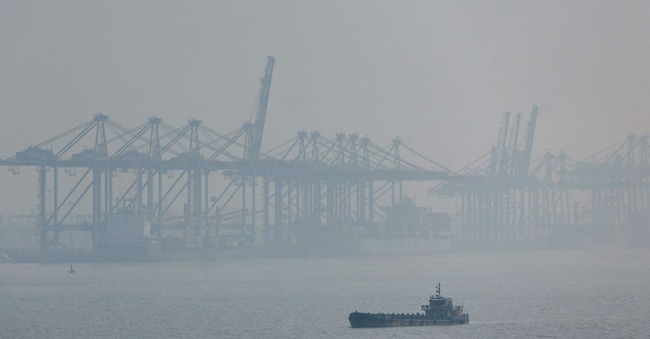
The Mediterranean and the Pacific. Italy and Singapore. Working together for the security of subsea infrastructure. In early June, the 23rd Shangri-La Dialogue, organised by the International Institute for Strategic Studies, was held in the Asian city-state. During the event, which was of particular significance this time round, five sets of shared guidelines on the security of sensitive seabed infrastructure were approved by 17 countries. These outline potential areas in which the 17 defence ministries could collaborate to improve mutual security. In addition to our minister, Guido Crosetto, and his counterpart Chan Chun Sing, the meeting was attended by the ministers from Australia, Brunei, Estonia, Finland, France, Latvia, Lithuania, Malaysia, the Netherlands, New Zealand, the Philippines, Qatar, Sweden, Thailand and the United Kingdom. This diverse delegation helps to highlight the importance of the event and, at the same time, underscores two fundamental concepts, made all the more evident following the events in the Strait of Hormuz. Security is not fragmented but forms a single ecosystem. Sharing its pillars increases resilience exponentially.
“Today, waterways are not just channels for our trade; beneath those waters lie critical underwater infrastructure that connects our energy and telecommunications networks,” said Singapore’s Defence Minister Chan Chun Sing, as reported in a lengthy article in Asian Defence Journal. “Any disruption to one part of the network is a disruption to the entire network. That is why it gives us great satisfaction to see so many countries – from Europe to the Middle East to South-East Asia and the Asia-Pacific – coming together. We may not have all the answers, but we certainly want to work together on these issues to understand how we can establish those international standards for building, maintaining and protecting such infrastructure, whilst deterring those who might wish to cause harm to our infrastructure and our way of life,” added the Singaporean minister.
Recent incidents involving cuts to or damage to cables or oil pipelines have highlighted the vulnerabilities of subsea infrastructure. Such incidents also demonstrate the difficulties involved in responding to incidents outside territorial waters, including challenges relating to attribution, jurisdiction and enforcement.
The five pillars
Hence the idea of adhering to five shared pillars, ranging from the precise identification of the networks to be protected and the associated infrastructure, to the redefinition of lawful activities (within the framework of the United Nations Convention on the Law of the Sea) and the creation of a framework to facilitate multi-stakeholder coordination and cooperation. These stakeholders include governments and the relevant national authorities of coastal States and cable-using States; the private sector, such as operators of submarine cables and pipelines, and maritime stakeholders in the shipping industry; as well as international and non-governmental organisations such as the United Nations, the International Maritime Organisation and the International Cable Protection Committee. Furthermore, the fourth pillar of collaboration lies in recognising the role of the Ministry of Defence in supporting the civilian sector and private-sector activities. Finally, there is the option of voluntary cooperation between navies and defence ministries. In other words, the decision to host or participate in subsequent initiatives, and their exact scope, may be discussed separately by the States concerned and will be subject to their respective national approval processes.
Voluntary cooperation
“With regard to infrastructure security,” Minister Sing concluded, “we are seeking to develop national initiatives, regional efforts such as those in Europe, South-East Asia and Oceania, as well as broader multilateral and international frameworks. The aim is to set out common guiding principles and best practices and to highlight potential areas of cooperation by defence organisations in support of relevant civilian agencies in our regions.”

