
Agriculture: from 2027, it will be compulsory to record activities in a digital logbook
The register, in which activities and processing operations carried out must be recorded, will replace the existing paper-based system and will be linked to the national IT networks

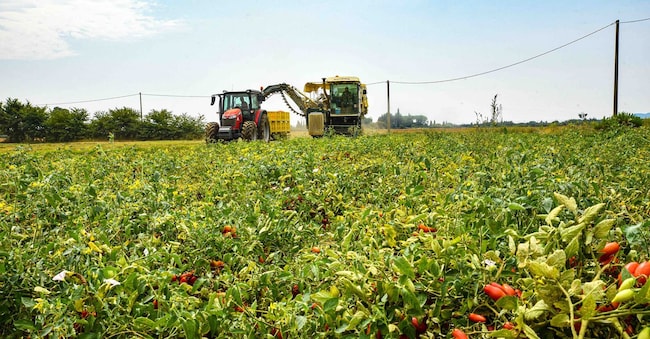
The Digital Farm Logbook will come into effect on 1 January 2027; this is an electronic register in which farmers will be required to record the activities carried out, such as plant protection treatments or fertilisation. Full digitisation is therefore set to become a mandatory requirement also in the agricultural sector, following an extension – granted by the Ministry of Agriculture, Food Sovereignty and Forestry by Decree of 30 December 2025 – from the originally scheduled deadline of 1 January 2026.
What will change
The Logbook will replace the existing paper-based system, linking up with national agricultural IT systems. Instead of recording transactions on paper, farms will therefore record the information using digital tools that will also allow it to be used in public agricultural information systems, such as the National Agricultural Information System (SIAN). In short, it is not the obligations that are changing, but the way in which they are fulfilled. Standardised, digital records make the data more reliable, as well as facilitating its collection and verification by the relevant authorities. In this context, the new digital register supports traceability and sustainability in the administrative management of the agricultural enterprise.
The agreement between Agea and Assosoftware
However, the issue remains with those farms that already have a management system in place to keep track of treatments, land areas, crops, fertilisation and other operations. The risk is that reporting will be duplicated: first via their own application and then on the Digital Farm Logbook platform. It is precisely this consideration that has led to the agreement signed between the Agency for Agricultural Subsidies (Agea) and AssoSoftware: the protocol aims to implement interoperability projects between the Sian and the management systems of individual agricultural businesses. The aim is to make access to administrative procedures relating to applications and the disbursement of agricultural aid. The benefits would include the elimination of discrepancies, a reduction in processing times and the simplification of aid management.
In addition, a technical working group, comprising experts from Agea and AssoSoftware, is to be set up to address technical and operational issues and identify effective solutions. According to the software manufacturers’ association, public digital solutions must be seamlessly and interoperably integrated with private management systems in order to ensure that digitalisation is truly effective for all parties involved.

