
Maps, air routes and fact checking: when data tell the story of conflicts
From World Monitor to Osint tools, public sources reshape intelligence and journalism: platforms aggregate news in real time
by Michela Finizio and Luca Salvioli and Luca Tremolada
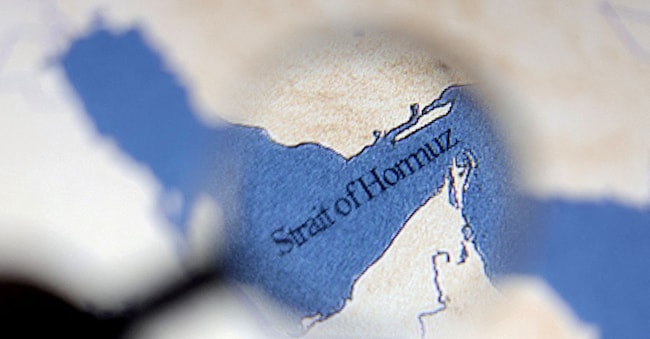
Artificial intelligence is doing to information what the GPS did to paper maps: it has not eliminated them, but it has changed the way of orientation forever. It has changed the compass and, rather than indicating North, it seems to vibrate in all directions, offering a continuous stream of signals, data and information. Open sources that can be used, analysed, aggregated and communicated.
Thus were born portals such as World Monitor, which brings together multiple signals: air routes (ADS-B systems), ship traffic (AIS signals from commercial vessels), fires detected by the satellites of the European Copernicus programme and network blackouts monitored by NetBlocks. Taken one by one these data say little. Taken together they build a narrative, one of the most shared geopolitical visualisations of the moment to follow the development of the war between Israel, the US and Iran. The brainchild of Lebanese entrepreneur and programmer Elie Habib, it shows what is happening in the world almost in real time.
This is just one example of how the new frontier of Osint (open source intelligence) can support information, using open and public sources. Other examples include the geolocation of videos in war zones, the analysis of aircraft and ship movements, or tracking via photos on social media.
Changes in editorial staff
Thus, visual investigation teams are taking shape in newsrooms, groups of experts who combine traditional journalism with digital investigation and forensic analysis of visual evidence to verify facts and find news. It happens at the New York Times, the Washington Post or the Financial Times. The experience of Bellingcat, an organisation founded in 2014 by British journalist Eliot Higgins, which, with Osint tools and methodologies, conducts investigations into war crimes, human rights violations and corruption, known around the world, also goes in this direction.
In recent years, these tools have been instrumental in uncovering the truth about certain news events during the conflict between Russia and Ukraine or the escalation of violence between Israel and Hamas. Theopen source technologies have revolutionised the way wars are observed through a progressive 'democratisation of intelligence'. So much so that today access to geospatial data and satellite images has become a strategic factor for states. The recent recruitment campaign of the Italia Department of Information for Security (Dis) explicitly hunted for cyber experts, cryptographers and Osint analysts: applications were open until last Friday.


