
Air transport: Italia aims for 305 million passengers by 2035
Passenger traffic in Italy grew by 5% in 2025, one percentage point higher than the EU average

Key points
European air traffic is growing, and the Italian market remains one of the most dynamic on the continent. The target, as announced by Pierluigi Di Palma, president of the Italian Civil Aviation Authority (Enac), is to increase passenger numbers from the current 230 million to 305 million by 2035.
The Italian market
The data contained in the Fact Book 2026 – the annual report by the ITSM Centre (ICCSAI Transport and Sustainable Mobility) – offers cause for optimism regarding the prospects of achieving this goal. In fact, in our country, passenger traffic grew by 5% in 2025, one percentage point higher than the European average. And the positive trend does not look set to stop in 2026: up to April, the increase stood at 4.2 per cent.
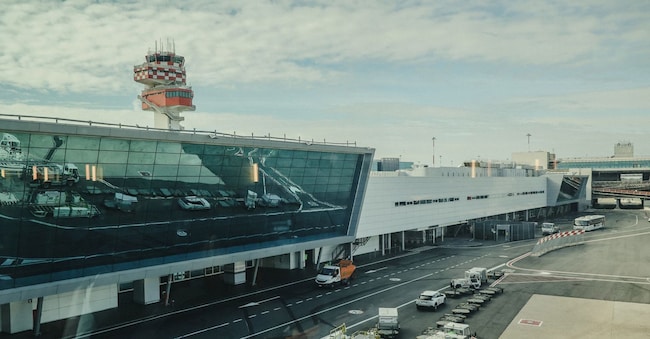
There are eight airports in Italy that handle over 10 million passengers: Rome Fiumicino, Milan Malpensa, Bergamo Orio al Serio, Naples Capodichino, Catania Fontanarossa, Venice Tessera, Bologna Borgo Panigale and Milan Linate. Rome Fiumicino, which has surpassed the 50 million mark, ranks seventh in the European league table. Direct intercontinental connections from Italia are also improving, although a gap remains compared with the major European markets.
The Italian freight sector, however, appears less robust; this is partly due to international tensions and energy prices – grew by 1.7%, compared to a European average of 3.6%, and is showing signs of slowing down even in the early months of 2026. However, the figures for Milan Malpensa are positive, with growth of 4.3 per cent.
This confirms the significance of the market share held by low-cost airlines in terms of capacity – which in Italia accounts for 57.2% of the domestic market and over 60% of European routes – Ryanair remains the leading European carrier in 2025, carrying more than 200 million passengers.

