
AirBaltic files for Chapter 11 protection to avoid bankruptcy
The Latvian airline, in which Lufthansa holds a 10 per cent stake, is the second carrier to buckle under the strain of soaring fuel costs

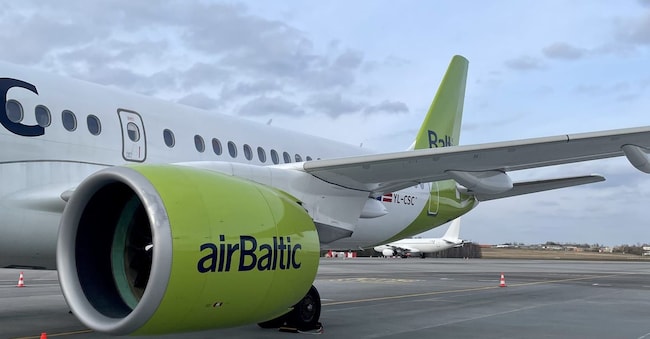
Following the US airline Spirit Airlines, another airline – this time a European one – has collapsed under the weight of fuel costs. Following weeks of discussions with investors to secure fresh funding, AirBaltic (in which Lufthansa holds a 10 per cent stake) has voluntarily decided to seek protection under Chapter 11 in the United States. The Latvian airline has therefore filed a petition with a New York court as part of a debt restructuring plan, whilst soaring fuel prices are adding further pressure to an already fragile sector.
The company has announced that it has secured a commitment for €350 million in financing from a group of creditors comprising Strategic Value Partners, Barclays, Hayfin Capital Management, Morgan Stanley and Oaktree Capital Management. The new funds will be used to ensure business continuity during the restructuring process.
AirBaltic explained that filing for Chapter 11 will allow the airline to benefit from protection from creditors whilst the terms of its debt restructuring are being negotiated. Flights will continue to operate as normal during the proceedings under the supervision of the court.
The impact of a doubling in jet fuel consumption
Compounding the situation is the rise in the cost of jet fuel, which, according to the source, has doubled as a result of the conflict between the United States and Iran. For the aviation sector, this is the most serious crisis since the pandemic, with operators that are most heavily indebted and most exposed to oil price volatility being particularly vulnerable.
AirBaltic, in which the Latvian state holds a majority stake, was already entering this new phase of restructuring with its financial position under pressure. In April, the government had granted the airline a loan of 30 million euros, whilst in the months that followed, rising fuel costs further eroded its liquidity. In 2025, the company carried approximately 5.2 million passengers, generating revenue of €779.3 million and a net loss of €44.3 million. It employs over 3,000 staff and operates a fleet of 54 Airbus aircraft; however, the new plan envisages a reduction to around 36 aircraft by the end of 2026. It operates over 80 routes across the Baltic states, Europe and the Middle East. In Italia, it serves, amongst others, Milan Malpensa, Rome, Naples, Turin, Verona, Pisa, Olbia and Catania.


