
The €500 ‘Carta Dedicata a Te’ scheme for 2026 is set to begin: it launches on 4 November. Here’s what you need to know
The 2026 and 2027 budgets have been presented. One billion has been allocated over two years. 1.1 million households with an ISEE of less than 15,000 euros will receive 500 euros a year towards their food shopping.

Key points
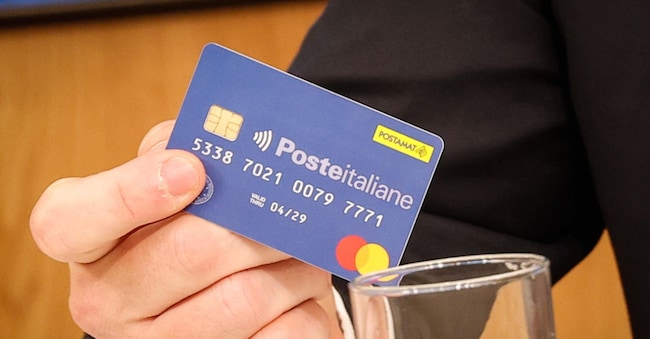
A single decree has given the go-ahead for two editions of the “Carta Dedicata a Te”. The credit card, which provides 500 euros ayear for food shopping to over 1,177,000 households with an ISEE of less than 15,000 euros will be activated from 4 November for the 2026 scheme and from April 2027 for the following year.
Over 2.7 billion euros invested between 2023 and 2027
The “Dedicata a Te” card was introduced as part of the 2023 Finance Act and, over the course of five years, has provided a total of 2.7 billion euros to Italian families in need.
Partnership between the Ministries of the Economy, Labour and Agriculture
The charter is the result of a partnership involving the Ministries of the Economy, Labour and Social Policies, and Agriculture and Food Sovereignty. However, the INPS (which is responsible for the initial identification of eligible beneficiaries), ANCI, which tailors the scheme to local areas; Poste Italiane, which ensures the distribution of the cards via post offices; and Federdistribuzione, which – having been approached by the Minister for Agriculture, Lollobrigida – has guaranteed an additional 15 per cent discount exclusively for cardholders.
The Indigenti Fund
also contributes to these initiativesRounding off the Government’s package of measures to support those most in need is the Fund for the Needy, which was also set up by the Ministries of Labour and Agriculture and which, having started with an initial allocation of 5 million, has now reached a permanent annual allocation of 50 million.
Lollobrigida: significant repercussions for the Italian food supply chains
The scheme allows users to purchase a wide range of food items, with the sole exception of alcoholic drinks. In its earlier versions, it also allowed the purchase of fuel. ‘This option has been removed for the 2026 and 2027 financial years,’ explained the Minister for Agriculture, Francesco Lollbrigida, ‘because, with regard to rising fuel prices, the Government has already put in place significant measures of a far greater economic scale. The other point I would like to emphasise is that linking the card to food products has had a positive impact on ‘Made in Italy’ supply chains, with beneficial effects in terms of value creation and employment. Over time, around 90 per cent of the card’s beneficiaries have opted for ‘Made in Italy’ food products.”


