

Alzheimer's, depression and Parkinson's disease: neurotechnologies to the test of rights
Setting standards in a burgeoning field of research while protecting cognitive freedom and mental privacy: the proposals of the Italian Society of Neuromodulation and Neurotechnologies
by Giacomo Koch *
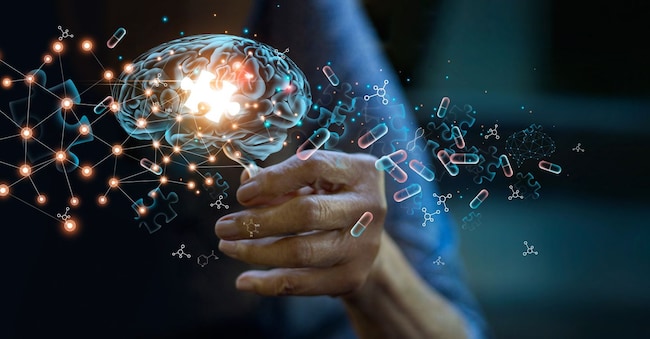
Modern medicine is undergoing a paradigm shift: the transition from passive rehabilitation to rehabilitation accompanied by neurotechnology. On the resistant depression front, for example, transcranial magnetic stimulation (TMS) now guarantees efficacy rates of between 50 and 70 per cent in patients unresponsive to medication, with accelerated protocols (iTBS) reducing sessions to just three minutes. At the same time, in Alzheimer's research, transcranial magnetic stimulation has been shown in some studies to be superior to newer anti-amyloid drugs in improving cognitive function, offering a much better safety profile.
Focus on Parkinson's and dementia
These innovations do not stop at the superficial cortex. One of the most disruptive frontiers is transcranial temporal interference stimulation (tTIS), which makes it possible to reach deep brain structures without resorting to neurosurgery, opening up unprecedented scenarios for Parkinson's and dementia. Advanced robotics and virtual reality are also redefining post-stroke recovery: robotic devices significantly increase the likelihood of walking independently again, while digital environments train the brain by stimulating neuroplasticity and suggesting new early diagnostic markers.
These are just some of the evidences that emerged in Rome, during the works of the I National Congress of the Italian Society of Neuromodulation and Neurotechnologies (ISNeT), established to create a multidisciplinary dialogue between physicians, clinicians, healthcare professionals and biomedical engineers to define reference standards based on evidence and reliable data.
The Ethical Theme
Technological effectiveness, however, cannot be separated from ethical reflection. The progress of Brain-Computer Interfaces (BCIs) now requires the protection of cognitive freedom and mental privacy. If technology can interact directly with our neural circuits, we must ensure that brain signals and thoughts remain inaccessible to third parties, protecting the individual from the risk of brain-hacking. As we reiterated during the congress, technology must remain a tool at the service of the individual: informed consent and data security are not optional, but indispensable preconditions.
Standard coming soon
In the background, the public health challenge remains. With costs related to neurological pathologies approaching EUR 300 billion in Europe, machines are not enough: we need skills and forward-looking policies. This is why we set up the ISNeT Academy, with the aim of creating a common language between doctors, rehabilitation specialists and engineers, guaranteeing certified training standards throughout the country. Only through this multidisciplinary synergy will we be able to transform cutting-edge research into a fair and accessible benefit for every patient.

