
Anti-waste law: plants and flowers are also included among the items that businesses can donate
The range of products that companies can donate for the benefit of the community, whilst benefiting from tax relief, is being expanded

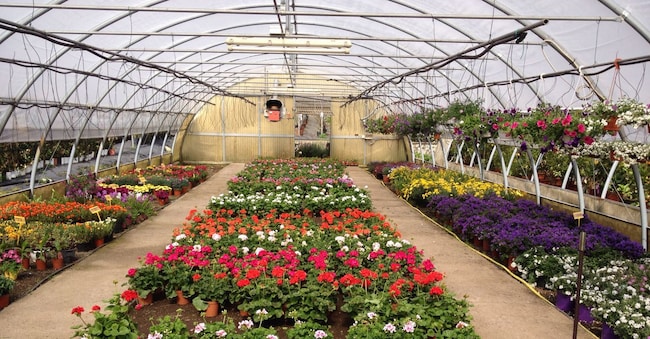
Ten years on from the passing of the anti-waste law, the range of goods that businesses can donate is being expanded. Following an amendment passed unanimously by the Chamber of Deputies as part of the agriculture bill (Bill 2670), Law 166/2016is expanded to include a new category of products eligible for donation: plants, flowers and propagation materials that are no longer suitable for sale due to imperfections or defects which do not affect their suitability for use.
Expansion of the basket
This new development forms part of a process of gradually expanding the range of goods, which was initially limited to surplus food and pharmaceutical products and has since been extended over the years to hygiene and personal care products, stationery, books, furniture, toys, building materials, household appliances and electronic devices. All of this is accompanied by a tax incentive, which over time has encouraged an increasing number of businesses to donate surplus goods, thereby enabling the reduction of waste to be integrated into corporate policies focused on sustainability and the circular economy.
Tax leverage
The Anti-Waste Law, in fact, allows businesses which donate goods strictly specified within the law – and which are no longer sold or marketable – to benefit from VAT exemption on the goods being transferred, thereby avoiding the application of VAT. This is on condition that the recipient organisation undertakes to use the goods for the purposes of carrying out its institutional activities and that the transfer is properly documented.
Flower and nursery sector
In this context, the legislative measure, championed by Maria Chiara Gadda, the lead sponsor of Law 166/2016, enables the legislation to be adapted to the specific characteristics of a sector such as horticulture, where the perishable nature of the goods and the concentration of surpluses around public holidays and special occasions result in a particularly high risk of waste. Donation thus makes it possible to divert from disposal products that are still fully usable and to allocate them to purposes of general interest such as social farming.
Deductibility of expenses
Ten years on from the introduction of the anti-waste law and thanks to an analysis of the country’s most successful initiatives, it is also becoming clear that there is a need to strengthen the law and increase the benefits for the community, not only by expanding the range of goods, but also by supporting donations with measures capable of covering transport costs. These often represent the main operational obstacle for the donation supply chain. From this perspective, the tax deductibility of expenses incurred by businesses in delivering surplus goods to beneficiaries could constitute a development consistent with the aims of the law, provided that the donation and its actual execution are adequately documented.

