
Direct distribution and shop-in-shop purchases to protect the right to food
From the non-profit organisation Pane Quotidiano and Caritas Ambrosiana services for the most fragile

Key points
10 years have passed since the Milan Expo and a positive legacy can be found in the experience of Caritas Ambrosiana, which was present at Expo 2015 with a pavilion. "We have reflected on two themes: the right to food and the fight against food waste that have shaped the Ambrosian refectory, born with chef Massimo Bottura, and the solidarity emporiums, a model of promoting the person that avoids welfarism," explains Andrea Fanzago, head of the food poverty area of Caritas Ambrosiana.
The available goods come from three channels: European funds, with the Ministry of Agriculture purchasing the goods and giving them to the accredited organisations; purchases of hygiene products - 'They are hardly ever donated and hardly ever expire: for us it is an important item of expenditure to keep them in the basket. It would be nice to be able to come to an agreement with the producers," Fanzago hopes - donations from the food industry and catering with the recovery of fresh. "We do a daily job of collecting surpluses from three large-scale retail chains to create quality meals at the refectory," Fanzago concludes.
On the other hand, 'the increase in requests for food is an alarm bell that we register after a crisis', adds Elisabetta Larovere, head of the Observatory of Poverty and Resources of Caritas Ambrosiana, who emphasises how foreigners under 35 and Italians over 65, the segments historically less represented in their sample, are the ones that are growing the most in access to services.
Virtuous synergies with companies
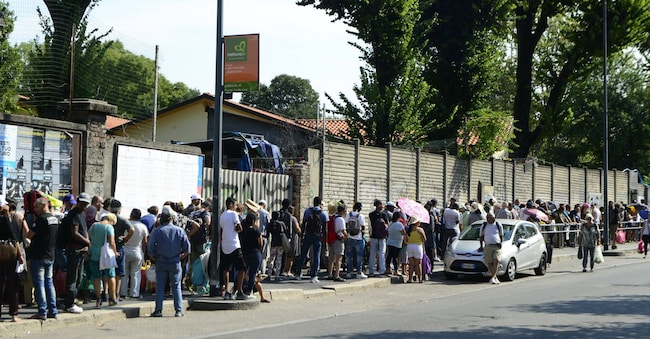
Foreigners and the elderly are the targets most commonly found in the long queues outside the two offices of Pane Quotidiano, the Milan-based non-profit organisation that, since 1898, has been offering a meal to those in need. "We operate in two ways: the first, the direct delivery of food rations to those who come to pick them up in person from Monday to Saturday in Viale Monza and Viale Toscana," explains Maurizio Ferrario, director of the non-profit organisation. "The second, on the other hand, is the weekly and home delivery of parcels for people with 100% physical disability".
Making a significant impact on the business and distribution flows is, without a doubt, the synergy with over 200 companies, including Danone, Beretta and Biffi. "The collaboration with companies makes all the difference: if in 2024 they delivered around 2.8 million kilograms of food to us, in 2025 we reached 3.8 million and this allowed us to secure larger quantities of basic necessities." Providing bread, fruit, vegetables, sweets, rice, pasta, milk, canned goods and frozen food are mostly companies with which the collaboration has been consolidated over time, but there is no lack of looking for new suppliers to diversify the offer. Implemented, of course, by the generosity of private citizens, who often also bring clothes and toys.

