
Between mystery, archaeology and nature all the fascination of caves from north to south
Apennines and central Italia: geology and landscape

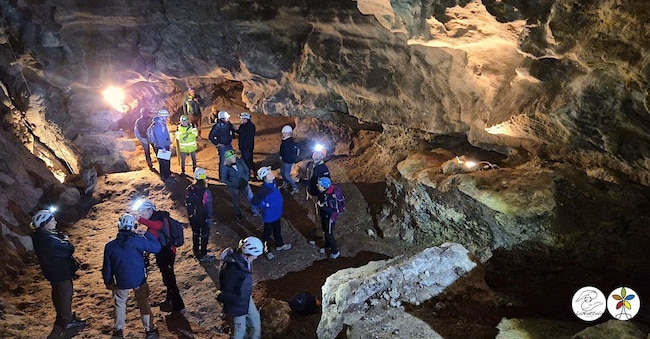
Descending along the Apennine ridge, Emilia-Romagna reveals the secrets of its gypsums, recently recognised as a Unesco heritage site.
The Grotto of Onferno, in the municipality of Gemmano, in the province of Rimini, within a nature reserve, is home to one of the most important bat colonies in Europe, while the Grotto of King Tiberius, located within the Chalk Vein Park of Romagna in the territory of Riolo Terme, preserves archaeological traces of inestimable value.
The Tuscany has two opposite faces of the underground world: the Cave of the Wind in Garfagnana, called a 'living cave' because of the continuous dripping that shapes the rocks, and the Antro del Corchia vast system where one walks in the heart of the mountain surrounded by marble.
In the Marches, the magnificence of the Frasassi Caves continues to amaze with the sensational beauty of its monumental halls. Central Italy is rounded off with Abruzzo, where in the Stiffe Caves water is the absolute protagonist through three spectacular underground waterfalls, and with Umbria, where the Grotto of Monte Cucco offers a naturalistic journey that starts from the mountain pastures and goes deep into the rocky depths.

