
Apple: strike at Italian stores on the day of the iPhone 18 launch
According to the trade unions, the strike had an average participation rate of 70 per cent, whilst the company says that the shops are operating as normal

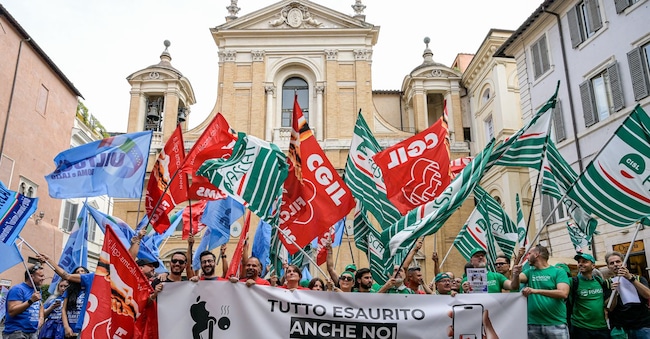
The national strike by Apple Retail Italia staff is reported to have had an average participation rate of 70 per cent. The strike is taking place to coincide with the launch of the new iPhones (the 18 and 18 Pro, whilst the eagerly awaited ‘Duo’ is due to arrive on 23 September) in Italian stores. This is according to a statement from Fisascat Cisl, which called the strike alongside other sectoral trade unions for the entire working shift, with picket lines outside the shops. According to the trade unions, the protest involved a total of over 1,600 employees across the US multinational’s 17 stores. Their demands include adequate staffing levels, manageable workloads and recognition of staff contributions to the group’s results. According to the company, the stores are operating as normal.
Positive results but difficult working conditions
In Rome, around a hundred shop staff took part in the authorised protest in Piazza Capranica, just a stone’s throw from the store on Via del Corso. The trade unions are focusing on the disparity between the multinational’s financial performance and the working conditions of those employed in its shops. Against a backdrop of rising sales and profits, and a global market capitalisation of around 5,000 billion dollars, the trade unions are highlighting staff shortages, increasingly intense work rates and mounting pressure on productivity. “The strike follows on from the industrial action that began in June and the mandate given by the meetings held on 7 September, which took place simultaneously in stores across Italy.”
Greater focus on staff wellbeing
Discussions with staff have highlighted a deterioration in working conditions, partly due to the introduction of processes and procedures which, according to trade union representatives, place greater demands on productivity without paying adequate attention to staff wellbeing. The proposals put forward by the trade unions include a jointly agreed recruitment plan, the conversion of a proportion of fixed-term staff to permanent contracts, and a voluntary increase in the working hours of part-time employees. ‘These measures are to be tailored to the needs of individual stores, with clear timelines for implementation,’ the statement reads.
“The company has shown no willingness to accommodate these requests, announcing only an increase in the number of fixed-term contracts and bringing forward the start date of these contracts. This response has been deemed insufficient: the use of temporary staff for periods now approaching seven months highlights, in the trade unions’ view, structural needs that require stable employment solutions.”
Too much discretion for the company
“Among the critical issues highlighted are also the increasing blurring of responsibilities and job descriptions that leave the company with considerable discretion.” The increase in the value of meal vouchers to 10 euros, which came into effect in August, “represents an important outcome of the negotiations, but it does not fully address the staff’s demands nor does it resolve the organisational problems underlying the protest.”

