
Puglia: transport disruptions put the wheat supply chain at risk
Italmopa has sounded the alarm, sending a letter to the Prefect of Foggia: ‘Restore the movement of goods’

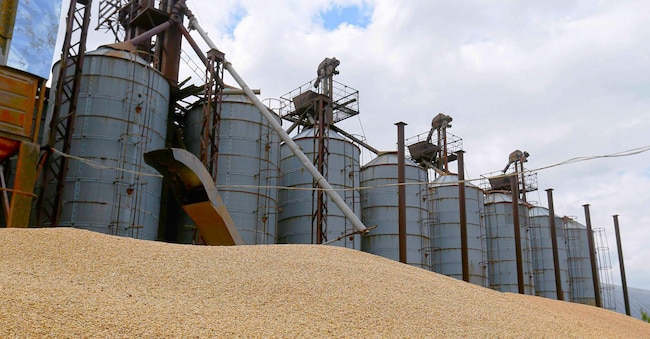
The protests by lorry drivers and the roadblocks that have been in place for days in Italy’s main cereal-producing region are jeopardising the continuity of production in the wheat supply chain, one of the flagship sectors of the ‘Made in Italy’ agri-food industry, which supplies the confectionery and bakery sectors – the latter of which is celebrating World Bread Day today – and, above all, the pasta sector, which continues to break new export records.
Vincenzo Martinelli, president of Italmopa – the association representing the national milling industry, which purchases wheat to process it into flour and semolina and supply the confectionery and pasta sectors – wrote in recent days to the Prefect of Foggia, Antonio Giannelli, and to the Minister of the Interior, Matteo Piantedosi, “to highlight the state of absolute emergency resulting from the spontaneous and unauthorised blockade of heavy goods vehicles currently taking place in the Apulia region”.
According to the millers’ association, since last Sunday, roadblocks affecting the main roads and motorways in Puglia have been paralysing the movement of goods, preventing the smooth passage of heavy goods vehicles transporting wheat to mills and flour and semolina to processing plants. The lorry drivers’ protest concerns the ever-rising cost of fuel (see accompanying article) and is taking place despite the adjustment to transport prices to offset the rise in diesel costs (the so-called fuel surcharge) guaranteed by most milling companies.
Flour mills and pasta factories – but not only them – have been at a standstill for days or are on the verge of running out of stock. ‘The risk of not finding pasta, bread and pastries on the shelves in the coming days,’ says Martinelli, ‘is very real. Supplies to large retailers are at risk of coming to a standstill across the whole region.’ This is why manufacturers are calling for immediate government intervention to unblock the flow of goods. To get an idea of the potential impact on the wheat-pasta supply chain, one need only consider that much of the milling of durum wheat to produce the semolina used in pasta production is concentrated in Puglia, which is the main region for durum wheat production, accounting for around a quarter of the national total.
“The continuity of mills’ production cycles depends entirely on the regularity of wheat supplies and the timely delivery of the flour produced from it to pasta factories, bakeries and the confectionery and baked goods industry,” explains the president of Italmopa. The persistence of this situation exposes a growing number of plants to a real risk of production stoppages – which have, in fact, already occurred at some sites – with inevitable knock-on effects further down the supply chain, affecting both the artisanal and industrial processing sectors.” Puglia is Italy’s leading region for durum wheat production and milling capacity. Apulian mills supply semolina to a significant proportion of the national pasta industry: a prolonged shutdown in the region could no longer be regarded as a local problem.

