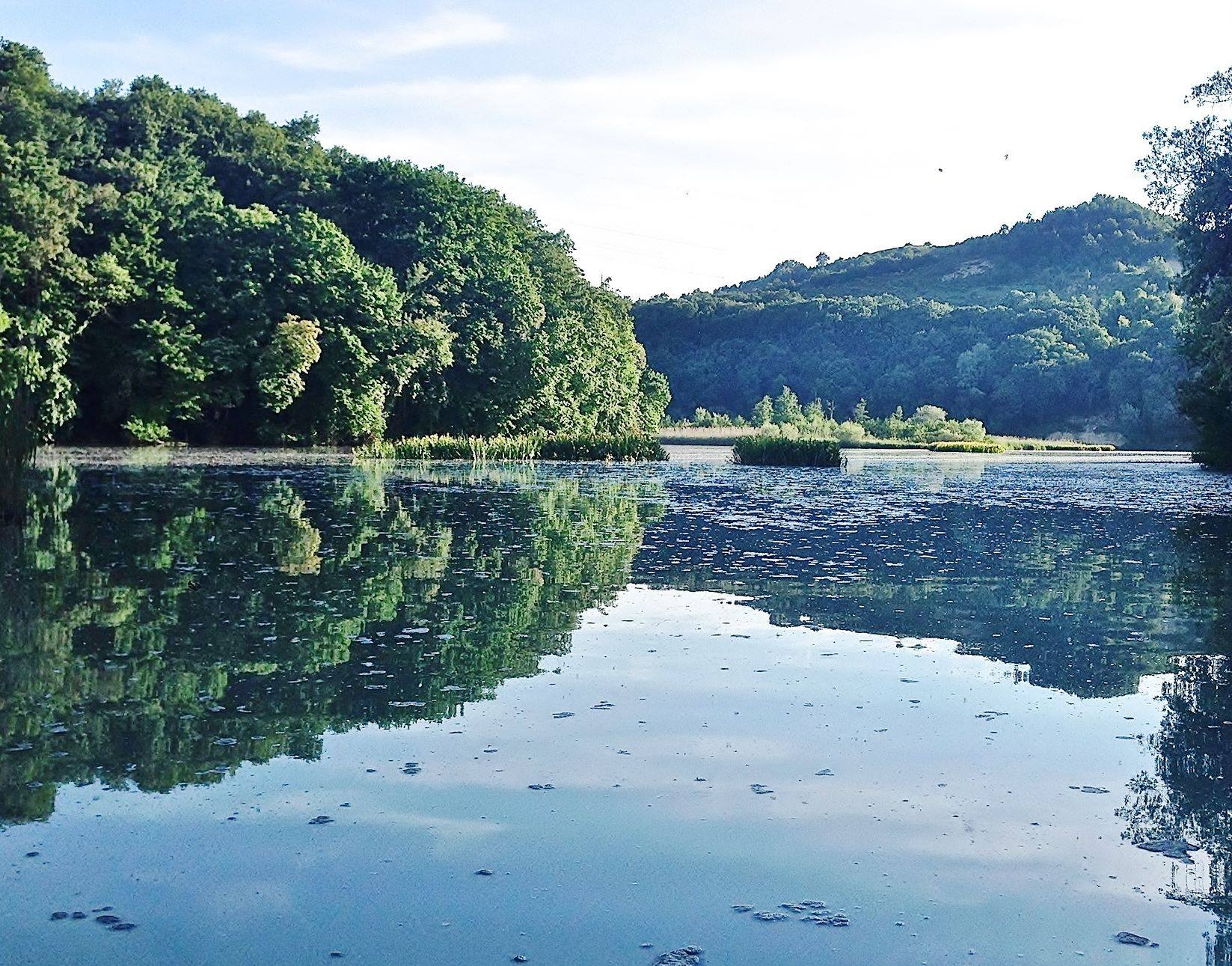
Art, history and nature: the Tiber rediscovered thanks to slow tourism
Launched in 2019, in five years Tiber Day has helped rediscover the potential of Italy's third largest river. New projects for the Jubilee and inscription in the Unesco heritage are on the way
3' min read
3' min read
Almost 154 years have passed since 18 December 1870, when yet another Tiber flood invaded the streets of Rome, which two months later would be officially proclaimed the new capital of Italy. And it could no longer afford such havoc. A special commission approved engineer Canevari's project that envisaged high walls along its course, which would protect the city but inexorably rewrite its millenary relationship with its river. Since 1926, the year the project was completed, to see the Tiber one has in fact had to lean over the almost 19 metre high walls, or descend down the steps and return to its level. In any case, in the eyes of Romans and tourists alike, the city's oldest ecosystem of nature, history and art is once again revealed.
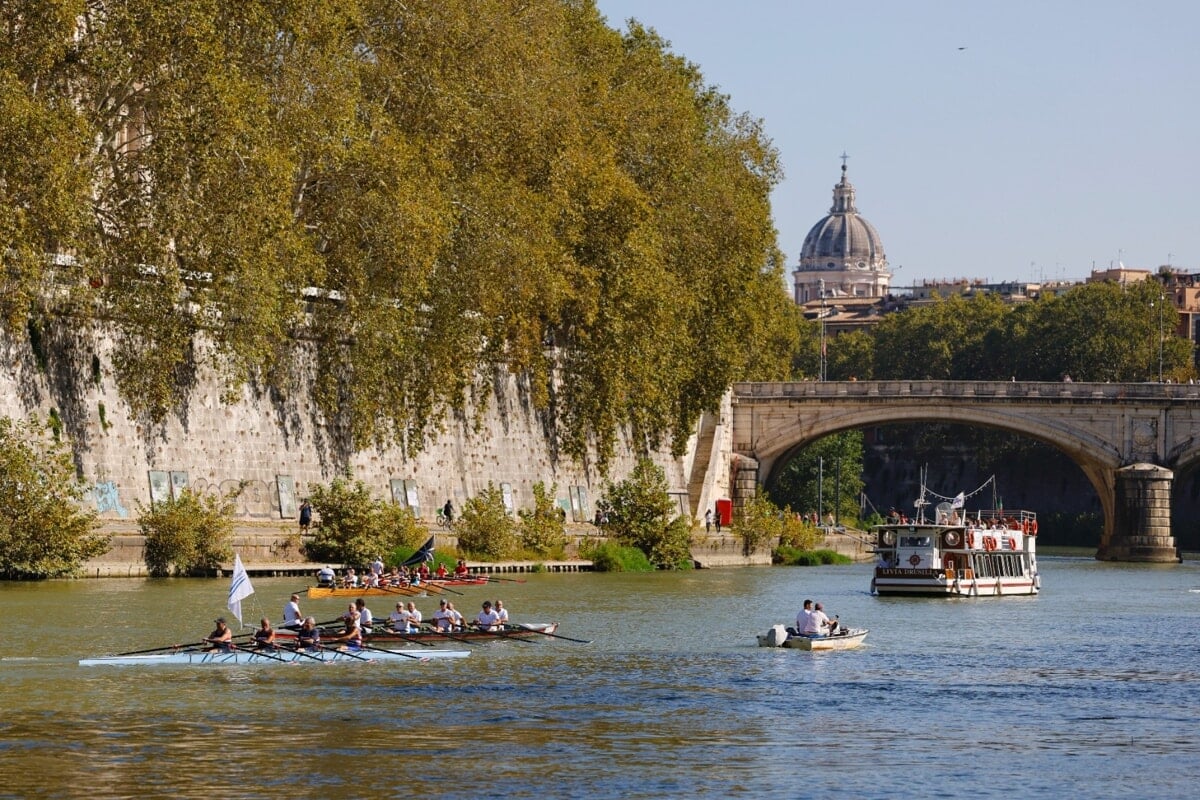
"The Tiber is a hidden gold mine,' says Alberto Acciari, a journalist and communications expert who, with his association of the same name, launched the 'Tiber Day' project five years ago, aimed precisely at enhancing the river and rediscovering the treasures that are kept, sometimes hidden, along its course. "Together with the Colosseum and the Vatican, for tourists the Tiber is one of the symbols of Rome," he continues. "Rediscovering the river also means reviving that 'economy of the banks' that has now almost completely disappeared. The 2024 edition of Tiber Day was held from 7 to 13 October, with no less than 140 events along the 80 km of its banks, from Torrita Tiberina to Fiumicino, passing through Ostia Antica, thus far beyond the urban course. And if the first edition was attended by 30 thousand people, in 2024 the number rose to 50 thousand, involved in sports events, archaeological visits, moments dedicated to art and history, excursions, exhibitions and talks.
"The success of Tevere Day demonstrates the lively interest in the river,' continues Acciari, 'and over time it has also attracted the attention of institutions, both public and private, so that this year we have reached about 220 adhesions. Supporting us as main sponsor is Bulgari (whose offices overlook the Lungotevere Marzio, ed.), but also, for example, the Istituto per il Credito Sportivo e Culturale'.
Over time, Tevere Day has obtained the crucial support of the Lazio Region, the Province of Rome and the Roma Capitale administration, and its success has also contributed to the 47 million euro funding allocated in July 2023 by the Capitoline Council as part of the approval of the master plan to redevelop the areas bordering the river bed.
Not only: on the occasion of the last Tiber Day, it was announced that the river will officially become part of the heritage protected by Unesco, for the stretch that runs through the historic centre of the capital, itself a heritage site since 1980. And which in 2025 is preparing to welcome the estimated 35 million tourists for the Jubilee. In the age of overtourism, Tiber-related experiences can be a valid alternative: 'Along the river there are many places to be rediscovered,' explains Acciari. 'For example, this year for the first time it was possible to visit the remains of the temple of Jupiter Iurarius, dating back to the 2nd century B.C., recently rediscovered under the radiotherapy department. The old river warehouses in Testaccio, at the height of the Sublicio Bridge, are also worth a visit. And together with other associations and tour operators we are thinking of organising river cruises connecting the area north of Rome to the mouth of the river, with ad hoc packages, a way to promote slow and return tourism'.