
Medieval abbeys, rivers for canoeing and horse-filled meadows: a slow-paced, relaxing break in East Anglia
In East Bergholt, following in Constable’s artistic footsteps

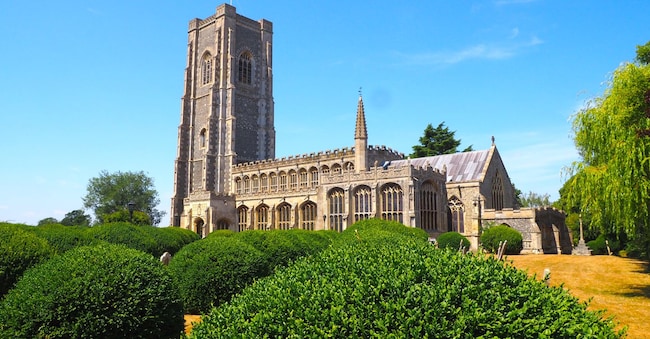
Rube Rushen is the verger at St Mary’s Church, which dates back to 1350. Every day, he opens the church, tidies up the toys for the children – who are always there – and puts the books consulted by worshippers back on the shelves. It is, however, quite common for visitors to ask him to show them the graves where the remains of John Constable’s parents lie. Rube then scrapes away the moss that has gathered on their names and recounts the largely affluent childhood of the most famous landscape painter in the history of British art, the 250th anniversary of whose birth falls this year – he was born right here in this village in Essex in 1776. His family owned mills and managed river traffic by operating the locks, and this relative affluence allowed John to devote himself body and soul to painting, finding all the inspiration he needed in the bucolic countryside that surrounded him. This church in the hamlet of East Bergholt, surrounded by graves, features the ruins of the bell tower on its façade and gravestones on the floor of the central nave, including that of Maria Bicknell, the artist’s wife. Above all, it boasts the rare and extraordinary Bell Cage, consisting of an actual wooden cage housing the 14th-century bells mounted on a square oak frame, encircled by a walkway along which the bell-ringers moved to operate them manually from below. Even today, they are the heaviest bells (over 4,300 kilograms) in use across the Channel. Constable’s house no longer exists, but the residence that served as his early studio at the start of his career still stands, as do the many mills along the River Stour (Christchurch Mansion in Ipswich is hosting the ‘Constable 250’ exhibition in his honour until March 2027). Among them, the Talbooth Restaurant is perhaps the most idyllic: this charming half-timbered house, all lopsided and creaking, stands right on the bank of this decidedly Impressionist river, amidst marsh reeds and weeping willows; it therefore feels as though you are right inside a painting. Across the river, after crossing a bridge, stands the delightful Idle Waters, a red-brick cottage from which numerous footpaths wind their way through water lilies and wildlife, and from which eco-friendly cruises set sail on electric boats.

