

Asbestos: 1,000 cases of occupational diseases diagnosed each year in Italia
Around 1,160 cases per year amongst workers over the five-year period 2020–2024: an update on the prevention of this issue at the Asbestos International Forum

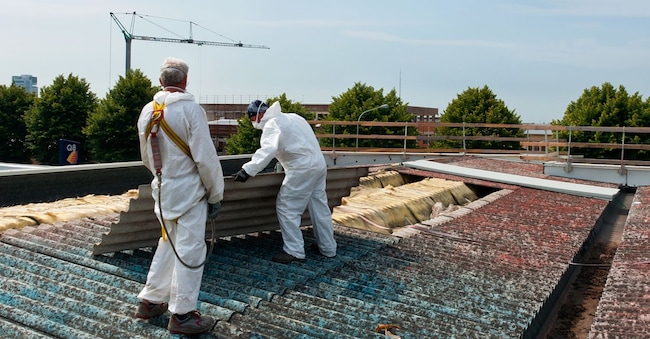
Italia continues to record an alarming number of new cases of occupational diseases caused by asbestos. This is according to the latest official INAIL report on asbestos-related diseases: there are over a thousand work-related diagnoses each year. Over the five-year period 2020–2024, the number of workers with recognised asbestos-related diseases stood, to be precise, at an annual average of around 1,160 cases. Of these, 41 per cent were fatal, and over the three-year period 2020–2022, the average mortality rate reached 46 per cent.
The map
Among the sectors hardest hit are the metalworking sector (58 per cent of cases) and the construction sector (16 per cent of cases). In third place is the services sector (11 per cent of cases). Geographically, the North-West is the region with the highest number of cases (40 per cent), led by Lombardy (203) and Piedmont (133). This is followed by the South (24%) – in particular Sicily (83) and Puglia (81) –, the North-East (23%) and the Centre (13%), where Tuscany stands out (78 recognised cases).
The emergency continues
For the National Asbestos Helpdesk, the figures published by INAIL provide unequivocal confirmation: the asbestos crisis is far from over. More than thirty years after its use was banned, the health effects of exposure in previous decades continue to manifest themselves, contributing to a serious and widespread epidemiological picture. Asbestos risk management therefore remains a key issue, and the contribution of professional standardisation is essential in this regard. For this reason, from 10 to 12 November in Rome, UNI, the Italian Standardisation Body, took part in the Asbestos International Forum, a three-day event involving various institutional bodies, held under the High European Patronage, organised by the National Asbestos Helpdesk (SAN) and sponsored by UNI.
Enforcing the regulations
Ruggero Lensi, Director-General of UNI, took the floor during the event to summarise the situation, speaking about the role of technical standardisation in supporting the public administration: ‘UNI’s collaboration with the National Asbestos Helpdesk and INAIL has enabled the development of voluntary implementation tools to ensure the effective removal of asbestos from buildings, in support of current legislation. The task now is to engage with institutions and civil society to ensure the existing technical standards and reference practices are applied more effectively,’ he said.
Also under scrutiny were the UNI technical standards and reference practices dedicated to asbestos management and ongoing activities, as well as the importance of training to protect workers.

