

Can asthma be cured? From age to severity: here are the factors to consider
The National Medical Association's team of doctors and anti-fraud experts answers the most important health questions
Key points
Three hundred million worldwide, three and a half million in Italia: that's how many people suffer from asthma, a chronic disease affecting the respiratory tract. Those with asthma may experience episodes of wheezing, coughing, chest tightness and shortness of breath. A question that many patients and family members ask is: can asthma be cured permanently? The answer is not simple and depends on several factors, including the age at which the disease started and its severity. On the occasion of World Asthma Day, which is celebrated every year on the first Tuesday in May, we answer some questions about this chronic disease.
Can asthma be completely cured?
The word 'cure' is not the right one when it comes to asthma. In medicine, we prefer to speak of 'remission': a more or less long period in which symptoms disappear and there is no need to take medication. However, remission does not mean that the disease is gone forever.
According to the international guidelines of the Global Initiative for Asthma (GINA), the goal of therapy is not cure, but control of the disease. Controlling asthma well means minimising symptoms, preventing crises and maintaining a normal quality of life. With the treatments available today, this is achievable for the vast majority of patients.
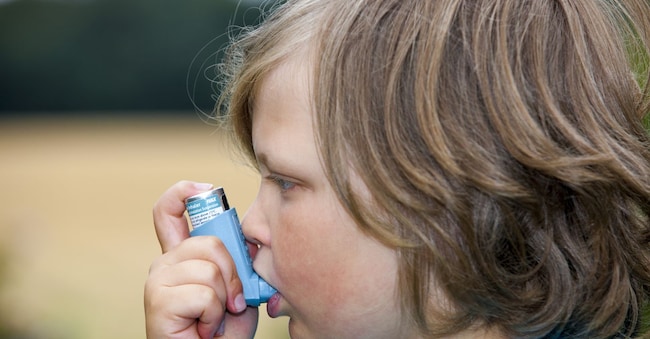
Is it true that children with asthma often get better as they grow up?
Yes, this is a fact documented in the scientific literature. Many children who suffer from asthma notice an improvement in symptoms during adolescence, to the point where they appear to be completely 'cured'. This happens more often in boys and in those with a milder form of asthma.
However, a long-term study conducted on a cohort of more than a thousand people followed from childhood to adulthood showed that in a significant proportion of cases, the disease can recur after years of apparent well-being. As for asthma appearing in adulthood, spontaneous remission is rarer: the disease tends to persist over time, although good therapy often keeps it under control.

