
AI, Altman and Hassabis' latest warning: 'Urgent need for rules'
The words of the heads of OpenAi and Google DeepMind in India are the latest in a series of concerned statements coming from Silicon Valley

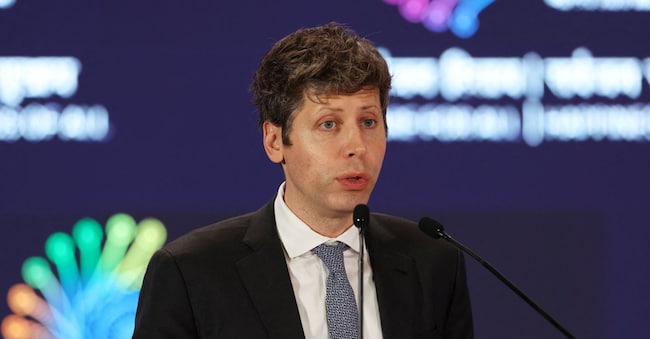
At the ongoing Global AI Summit in New Delhi, Sam Altman, head of OpenAI, the company that developed and brought to market ChatGpt, said the world urgently needs regulations to govern the rapid development of artificial intelligence. "I'm not suggesting that we don't need regulations or guarantees. We urgently need them, as with any other technology of this power,' Altman said.
This is not the first time that Altman has expressed himself in this way; he had already said the same thing in front of the US Congress three years ago, when the disruptive force of the new technology was not known to most. On that occasion, one of the world's artificial intelligence gurus had spoken of the need for an internationally recognised and shared regulatory framework and for coordinated action by governments to regulate the development of these technologies. This time, Altman is speaking on an even bigger stage, in front of some 20 leaders from around the world and the industry's most important CEOs and managers, guests of Indian Prime Minister Narendra Modi.
Almost simultaneously, another authoritative voice from Silicon Valley rises up to say essentially the same thing. Again from the summit in New Delhi, Demis Hassabis, CEO of Google DeepMind, speaks out and states that artificial intelligence poses serious risks that require urgent attention and must be addressed through international cooperation.
Hassabis identified two main categories of risk related to AI technology: malicious actors reusing useful technologies in malicious ways and the technical risks inherent in increasingly autonomous systems. "As systems become more autonomous and independent, they're going to be more useful, more agent-like, but they're also going to have a greater potential for risk and actions that maybe we didn't anticipate when we designed them," he said in an interview with Bloomberg Television.
The co-founder of DeepMind expressed concern that current institutions might not be strong enough to handle future AI developments. He emphasised the global reach of the technology, adding that 'it is digital, so it will probably impact everyone in the world and cross borders'. Hassabis also emphasised the importance of international meetings such as those in the UK, Paris, Seoul and elsewhere, and of crucial forums to bring policymakers and technology experts together. 'There has to be an element of international cooperation, or perhaps at least minimum standards on how these technologies should be implemented'.

