
Automatic checks, appeals, notifications: how the reform will change fines
From the crackdown on concurrent offences to more favourable treatment for those who lose their appeals and for those entitled to self-defence

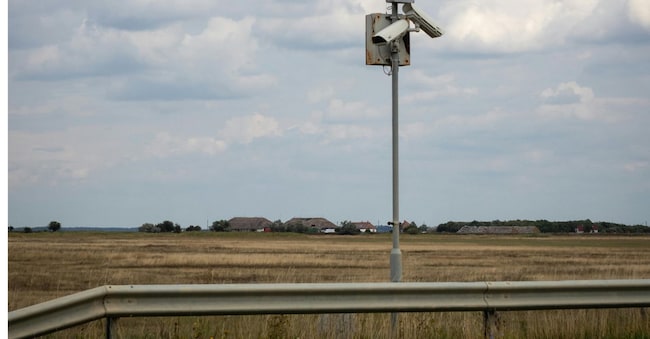
What will the next Highway Code be like? The changes set out in the draft implementing legislative decree of the reform mandate contained in Law 177/2024 are numerous and are coming to light during this consultation phase with trade associations, which began in early August and is due to close on 13 September. It would be difficult to take stock at this stage, not least because, on some of these, the Minister for Infrastructure, Matteo Salvini, has announced a U-turn as soon as they caused a stir.
The system is entirely new, but it is certainly not simpler than the current one. On the other hand, we need to regulate the complexity of mobility and the sharing of public space, with human variables that are difficult to predict and subject to the butterfly effect (small initial changes can lead to far-reaching consequences in the future). To give a rough idea, we can start with the procedure for investigating offences, the backbone of any code.
Automatic checks
There are two important new developments, which are not immediately apparent from the text of the draft:
- Devices that are legally authorised to detect multiple types of offences will be able to operate simultaneously in all possible modes, whereas until now only one mode was permitted to be active at a time (the most likely source of controversy is certain models that can operate both as speed cameras and as red-light cameras; consequently, drivers who accelerate in the hope of avoiding a red light risk being fined for speeding);
- the mandatory requirement to give advance warning of speed checks (in force since August 2007) is being abolished, to be replaced by a system in which the rules may be laid down – in a manner that is more or less ‘protective of individual rights’ – by simple ministerial decrees (presumably also in line with the ‘smart roads’ currently being rolled out, with monitoring points that can be spaced as little as a few hundred metres apart along the entire route).
Abbreviated notifications
In addition to the usual 90-day period in cases where officers do not issue an immediate notice of offence, a shorter period is provided for, 30 days, in the case of offences detected by automated devices, such as fixed speed cameras and surveillance cameras for restricted traffic zones (ZTL), traffic lights and hard shoulders. Such offences, moreover, almost always account for the majority of those recorded.
According to the Ministry of Infrastructure, the term ‘differentiated’ serves a dual purpose:

