
Health in the classroom

Back to school: a guide to managing anxiety for parents, pupils and teachers

From controlled breathing and sleep to maintaining a balanced outlook on success and performance: the Italian National Institute of Health’s advice for combating the ‘back-to-school blues’

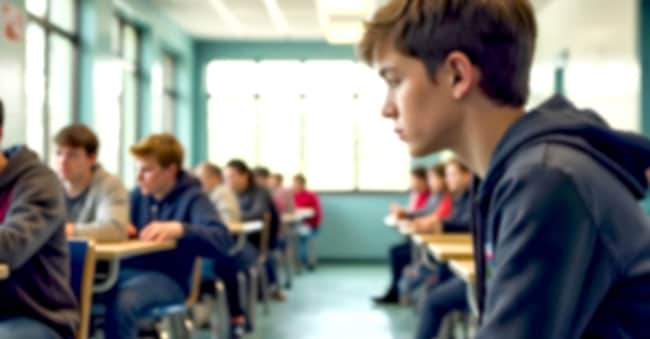
 stock.adobe.com

4' min read

Translated by AI
Versione italiana

4' min read

Translated by AI
Versione italiana

Targeted strategies to combat ‘the blues’ and anxieties surrounding the return to school. This return should be characterised by genuine, ongoing collaboration between schools, families and local services, in order to ease tensions and maximise the educational and inclusive value of schooling. These recommendations come from the National Institute of Health, ahead of the first bell ringing on Monday 7 September in Bolzano, followed by other regions across Italia. It’s back to school, and the ‘back-to-school blues’ may set in – that sense of melancholy that, in some cases, can turn into anxiety. According to Chiara Cattaneo, from the National Centre for Disease Prevention and Health Promotion, and Vittorio Palermo, from the ISS Department of Cardiovascular, Endocrine-Metabolic Diseases and Ageing, this is a period of adjustment that can be overcome with a few simple precautions.

In younger children, this may manifest as difficulty separating from their primary caregivers, whilst as they get older, it is their academic performance that causes the greatest concern. This leads to the pre-adolescent and adolescent stages, when relationships with peers take on central importance and the fear of exclusion from the social group becomes a source of stress. According to ISS experts, particular attention should be paid to periods of transition at school, when the redefinition of peer groups and friendships can cause uncertainty even in students who are normally well-adjusted.

Loading...

Back-to-work anxiety

Back-to-school anxiety can manifest itself through repetitive thoughts and worries about teachers, academic performance, friendships or organising daily activities. Some children constantly seek reassurance, whilst others display irritability, increased emotional sensitivity or difficulty concentrating.

Physical symptoms are also not uncommon. Stomach ache, nausea, headache, tiredness, sleep disturbances or a loss of appetite are common ways in which psychological distress can manifest itself. In other cases, pupils may start avoiding schoolwork, be reluctant to leave the house or resist facing situations they perceive as difficult.

What parents can do


Getting back into the routine and preparing school supplies together

To ease any worries about going back to school, it is helpful to gradually reintroduce school routines in the days leading up to the start of term. Bringing forward wake-up and bedtime times, resuming normal morning routines and limiting screen time in the evenings helps children and young people feel more prepared and less stressed. Preparing school supplies together can help them adjust to returning to the classroom.

Ensure adequate sleep and regular meals

Adequate sleep and nutrition are key factors in emotional well-being. It is important to ensure that your children eat breakfast, have regular meals and are given the opportunity to have snacks throughout the day. Children and young people who are well-rested and eat a balanced diet are generally less prone to stress, irritability and difficulty concentrating.


Loading...

Listening to concerns without downplaying them

Many children experience the return to school with fears and uncertainties. Parents can help them by listening to their concerns without downplaying them, and by acknowledging and validating the emotions they express. Rather than offering immediate reassurance, it is important to make the child feel understood and, where necessary, to help them think through possible strategies for dealing with any difficulties.


Avoid passing on your anxieties

To help children feel at ease, it is a good idea to avoid questions that might be perceived as putting pressure on them or setting expectations. It is better to ask open-ended, neutral questions about their day at school, showing interest without conveying any personal concerns. A calm and confident attitude helps to strengthen children’s and teenagers’ sense of security.

 Familiarising yourself with the journey between home and school and visiting the school premises

Visiting the school before term starts can help reduce uncertainty and foster a sense of familiarity. Walking the routes, getting to know the surroundings and finding their way around the school premises enables children and teenagers to face their first day with greater peace of mind, particularly when moving to a new school.

A balanced approach to holiday homework

To avoid overload and stress, it is helpful to guide young people in managing their school and extracurricular activities in a balanced way. Postponing new commitments until they have settled into the school routine and teaching them the value of balance can prevent feelings of being overwhelmed and exhausted.

 Don’t ignore difficulties, especially if they persist

If difficulties in settling in or a growing reluctance to attend school persist, it is important to pay attention to these behaviours. Parents can play a vital role by monitoring their children’s emotional well-being, maintaining an open dialogue and working with the school to identify any difficulties at an early stage and help ensure a smooth transition into school life.

What can girls and boys do?

 Slow breathing and sharing with adults

Simple strategies such as breathing slowly, problem-solving, planning activities and sharing concerns with trusted adults or friends can make it easier to adapt.

Realistic expectations

It is also helpful to keep expectations realistic, bearing in mind that the first few days of school are a settling-in period for everyone and that it is not necessary to tackle every challenge perfectly straight away.

Useful strategies for teachers

School is one of the most important settings for promoting psychological wellbeing. A welcoming environment, predictability and a focus on relationships can make a significant difference.

Clear routines, gradual activities during the first few weeks, attention to new pupils, tackling bullying and fostering a sense of belonging are protective factors widely recognised in the literature.

A positive school environment, characterised by supportive relationships between teachers and pupils, promotes not only emotional wellbeing but also the learning process.

Partnership between schools, families and young people

‘The evidence,’ Chiara Cattaneo adds, ‘suggests that difficulties at school cannot be regarded solely as an educational or health issue. It is a multidimensional phenomenon involving relational, psychological, social and educational aspects. Promoting well-being at school requires ongoing collaboration between schools, families and local services. From this perspective, the whole-school approach regards wellbeing as a shared responsibility of the entire school community. A key role is played by the development of psychosocial skills (life skills), such as emotional self-regulation, empathy and problem-solving, which foster pupils’ adaptation and wellbeing. Such interventions – he concludes – are most effective when they are firmly integrated into school activities, involving teachers, pupils and families in a shared culture focused on health and well-being’.

Copyright reserved ©
Loading...

Brand connect

Loading...

Newsletter

Notizie e approfondimenti sugli avvenimenti politici, economici e finanziari.

Iscriviti