

Hospitals: Bambino Gesù ranks fourth in the world for paediatrics. Gemelli, Besta and Rizzoli are also in the top ten
The hospital’s position in Newsweek’s international ranking, which identifies the best hospitals across thirteen specific areas of specialisation

Key points
The Bambino Gesù in Rome has risen to fourth place in the global ranking of hospitals specialising in paediatrics in the 2027 edition of *World’s Best Specialised Hospitals*, the international ranking compiled by the US magazine Newsweek, in collaboration with the online data platform Statista, which identifies the best hospitals for specific areas of specialisation. Also standing out is the Policlinico Gemelli in Rome, which features in all 13 specialities of the international ranking by medical field, and ranks first in Italia in four disciplines. The results for the Besta in Milan are also significant, with the hospital ranking eighth in Neurology, whilst the Rizzoli in Bologna takes ninth place in Orthopaedics.
The Newsweek and Statista ranking is based on three components: an international survey of doctors, which gathered over 42,000 recommendations between May and June 2026 and accounts for 83.5 per cent of the overall score; an accreditation score, based on national and international quality and specialism certifications, which accounts for 10 per cent; and the PROMs implementation score – PROMs being tools that measure patient-reported outcomes – introduced by Statista in collaboration with the International Consortium for Health Outcomes Measurement (ICHOM), which this year accounts for 6.5 per cent.
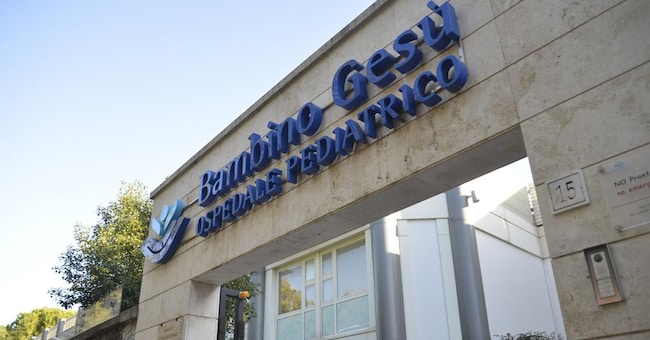
The Bambino Gesù Hospital is making progress and ranks fourth in the world for paediatrics
Rome’s Bambino Gesù Children’s Hospital has moved up two places compared with the previous edition, confirming its position as the top hospital in Europe. For the Paediatrics category, Newsweek and Statista assessed around 800 hospitals in 35 countries, including 250 in the final ranking. Having featured in the Top 10 since 2024, Bambino Gesù is the only Italian hospital among the top 25 in the world for this speciality. The top three places are held by North American hospitals: The Hospital for Sick Children in Toronto, Boston Children’s Hospital and the Children’s Hospital of Philadelphia. In addition to this result, the hospital has been recognised for two ‘standout specialities’ – areas of particular excellence – namely oncology and neonatology, identified within the field of paediatrics. “This recognition,” says Tiziano Onesti , President of the Bambino Gesù Paediatric Hospital, “is certainly a source of satisfaction and belongs to all those who, every day, with skill and dedication, care for children and contribute to the life of our hospital. Knowing that the Bambino Gesù’s excellence is recognised by the international healthcare community is an important confirmation of the value of our staff and the work we carry out every day – work that is constantly supported by a very broad community. My thoughts go to the Holy See, which guides us in our mission; to the National Health Service, of which the Hospital is an integral part; and to the institutions, as well as to the associations, benefactors and various partners.”
Top results at the Policlinico Gemelli in Rome
“Top results”, according to a statement from the Fondazione Policlinico Gemelli IRCCS, in the fields of obstetrics and gynaecology, confirming third place overall worldwide and first in Italia, alongside gastroenterology, endocrinology and pulmonology. In oncology, Gemelli has risen to second place overall in Italia and 29th in the world out of 300 centres assessed globally. This result confirms the growing national and international significance of the Gemelli Comprehensive Cancer Centre and “reflects the excellence of the day-to-day work of an entire professional community; a comprehensive care system has treated nearly 65,000 patients from across the country, over 22 per cent of whom came from outside the region”, notes the Foundation. In the case of obstetrics and gynaecology, the top ranking in Italia is accompanied by third place globally. The result in gastroenterology is also particularly noteworthy, ranking first in Italia and 11th in the world. Significant recognition has also been received for neurology and nephrology, which rank second in Italia; cardiology, third in Italia and 27th in the world; orthopaedics, ranked third in Italy and 70th in the world; and neurosurgery, ranked third in Italy and 75th in the world. Notable results have also been achieved in cardiac surgery, paediatrics and urology. Neurosciences:
Neuroscience: Milan’s Besta ranks second in Europe and eighth in the world
The Carlo Besta Neurological Institute ranks amongst the top 10 hospitals in the world by speciality. It is the only public hospital in Italia and the only one in Lombardy. Besta has once again been ranked as Italia’s leading hospital in neuroscience, consolidating its role as a national centre of excellence and further strengthening its position at the forefront of global healthcare. The results highlight, in particular, the Institute’s growth on the international stage. In Neurology, Besta ranks 2nd in Europe and 8th worldwide; in Neurosurgery, the Institute retains 3rd place in Europe and rises to 11th place globally. In both cases, there has been a significant improvement compared with the previous ranking. This result reflects the quality of care, the value of research and innovation, and the ability to integrate multidisciplinary expertise in the service of patients. “Being confirmed as the leading hospital in Italia and amongst the best in the world in the field of neuroscience is a highly significant achievement, which recognises the daily commitment of everyone who works at Besta and the trust placed in us by our patients and the organisations that support us. This recognition places our Institute at the very top of the international rankings and confirms the value of a public institution capable of combining patient care, research and innovation,” commented the Presidency, the Scientific Directorate and the Strategic Directorate. “It is the result of a collective effort, based on the expertise and dedication of doctors, researchers, nurses, technicians, administrative staff and all the professionals who contribute to the Institute’s mission every day.”


