Barclays convicted of fraud against others
UK bank held co-responsible for loss of savings of fraud victim but negligent: school case raised by Fidlaw

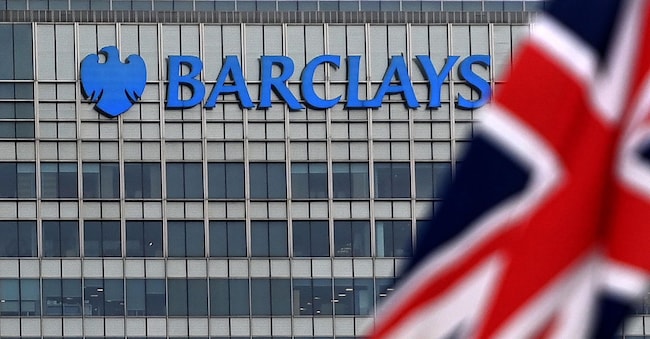
The British banking giant Barclays has been ordered to pay almost 400,000 Euro in compensation to a customer, in a fraud case that is destined to become a school case and a significant legal precedent. The decision, dated 5 February 2026, is in fact a landmark for the liability of banks in cases of fraud.
The Ombudsman's intervention
Fidlaw, a law firm specialising in commercial, financial and fraud recovery litigation, achieved a major success for its client, a foreign company called 'C', in a case against Barclays Bank UK PLC ('Barclays').
TheFinancial Ombudsman Servic ('FOS') upheld the complaint, ordering Barclays to repay 50% of the €383,000 loss suffered by the company as a result of an Authorised Payment Scam (APP), plus interest. This decision highlights the responsibility of banks to detect and prevent fraud when fraudsters use fake accounts to launder embezzled funds.
The affair
In late 2021, the victim was duped by fraudsters posing as his legitimate contractor and supplier. The scammers intercepted e-mails, changed bank details and directed payments to five newly opened Barclays accounts in the UK. Despite warning signs such as the rapid dispersal of funds, minimal account activity and discrepancies in payment references, Barclays failed to take adequate action, allowing the fraudsters to embezzle most of the funds. C lost EUR 383,000.35, of which only EUR 90,000 was initially recovered.
The motivation
The Financial Ombudsman Service (FOS) Supervisor, Jenny Lomax, ruled that Barclays should have isolated the suspicious payments and investigated the account holders' entitlement to the funds first. While acknowledging some negligence on the part of 'C' for failing to detect the discrepancies in the e-mails, the decision fairly divides the remaining loss, ordering Barclays to pay approximately £122,940 (equivalent to half of the loss converted to sterling) plus 8% interest per annum from the date the fraud was reported.