

Bcc Iccrea signs agreement with Morocco to support the internationalisation of businesses
The Group has entered into a partnership with the Moroccan Chamber of Commerce and Industry in Italia
from our correspondent Alberto Magnani
 Aggiungi Il Sole 24 Ore
ai preferiti su Google
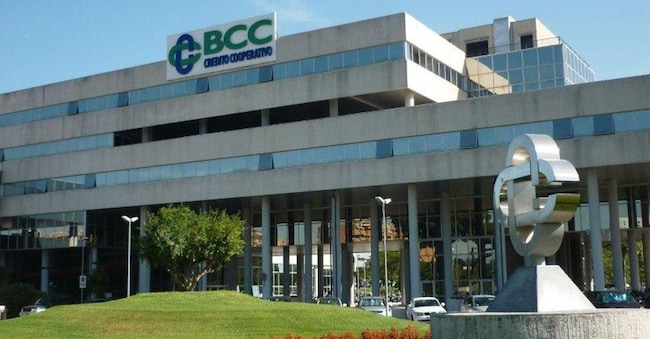
NAIROBI – The BCC Iccrea Group, Italy’s leading cooperative banking group, has signed a cooperation agreement with the Moroccan Chamber of Commerce and Industry in Italy (OCIMI) to ‘promote new opportunities for economic and commercial development’ between Rome and Rabat. The initiative, first reported in *Il Sole 24 Ore*, forms part of the “expansion of the Group’s international network” and stems from the “growing strategic importance of Morocco” as an export market for Italian companies.
Rabat has just overtaken South Africa as the continent’s most industrialised economy, according to figures from the African Development Bank – a ranking that goes hand in hand with its position in terms of market size: fourth overall for Italian exports to Africa after Tunisia, Algeria and Egypt, with trade worth 5 billion euros in 2025 and 250 Italian companies operating in the country.
Services for businesses
The services available to businesses should include support for entering the Moroccan market, the identification and vetting of local partners, the organisation of business and institutional missions, B2B and B2G meetings, legal and contractual support, company incorporation, as well as ‘access to incentives and tools for internationalisation, specialist training and guidance in dealings with local institutions and authorities’.
Morocco recorded growth of almost 5 per cent in 2025 and is forecast by the World Bank to grow by 4.2 per cent this year, driven by factors such as the revival of the agricultural sector, expanding domestic demand and substantial infrastructure investment ahead of the 2030 FIFA World Cup. However, the Washington-based institution warns that this growth is offset by the agricultural sector’s vulnerability to climate change, the recovery of its European trading partners and the fragility of a labour market still plagued by high unemployment rates and the informal economy bubble.


