
ECB December: firm rates and two opposing views on post-2025 inflation projections
Rates at a standstill, in a comforting situation, but the future will depend on inflation in 2026 and 2027: projections in focus

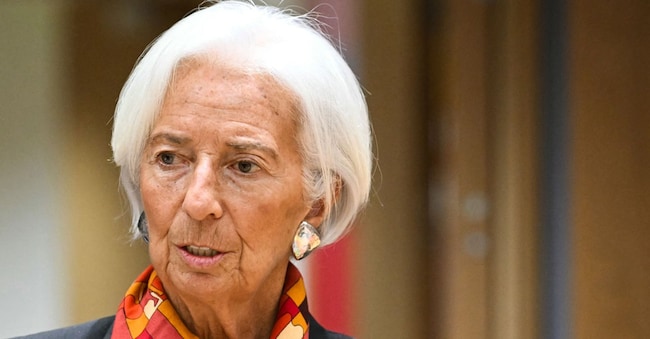
Firm rates. Eyes on projections. The December meeting of the European Central Bank closed with no change to the deposit rate, now at 2%, or to the refinancing rate, at 2.15%. The real question is another: what will be the next move? A cut, a rise, and when?
Inflation under control
The ECB appears to be in a 'comfort zone'. Inflation seems to be responding quite well to the long phase of high rates, which is still having its effects on prices. Measured inflation is still struggling to fall below the two per cent threshold, service prices are slowing down slowly, but the situation does not seem to be too worrying.
Slowing salaries
Even the pipeline factors that can fuel inflation do not seem to give cause for concern. Negotiated wages, which are very important in Euroland, continue to confirm a very volatile, bumpy, but now quite clear braking trend: the +1.87% in the third quarter, the lowest since the end of 2021, is not consolidated, but signals that the claims to regain purchasing power are about to wear off. The small rise in wage inflation (labour costs minus productivity) to 2.6% in the third quarter requires some attention, but follows two rather moderate readings (1.5% in June, 1.9% in March).
Credit costs stabilised
Economic activity, meanwhile, shows no signs of slowing down such that it could lead to an excessive cooling of prices, a deviation from the 2% target (in the medium term) that would require urgent cuts. The cost of credit stabilised with the end of the cutback season at levels higher than historical averages in Euroland, Germany and especially France, but are more favourable in Spain and especially Italy.
Loans to growing enterprises
Loans to non-financial companies are increasing at annual rates that are now above historical averages: not as fast as between 2021 and 2022 - the trend has slowed - but still at rates that do not seem to give cause for concern at the moment. Uncertainty has decreased, central bankers have noted, and this has also made it possible to better absorb the effects of US tariffs (which are a demand-side shock for Euroland. Incoming investments, including in defence, the ECB further argued, should also support overall activity.


