
Israel goes to the polls: Netanyahu and his challengers
Benjamin Netanyahu

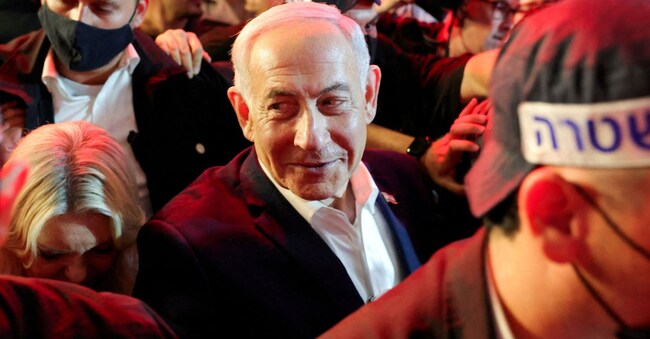
Aged 77, he is the leader of the Likud party, which is currently in power. Having been in power for a long time since 2009 – following a first term as prime minister in the 1990s – Netanyahu has become the face of Israel abroad, whilst at home he remains a figure who deeply divides public opinion. His supporters call him ‘King Bibi’ and regard him as the strong leader Israel needs to defend itself in a hostile region. He is wanted by the International Criminal Court on charges of war crimes in Gaza – which he denies – and is on trial in Israel for corruption, a charge he denies. His popularity at home is also undermined by several journalistic exposés claiming that, prior to 7 October, the Prime Minister was warned on several occasions of an imminent large-scale attack by Hamas but ignored the information he received. In the polls over recent months, he appeared set to lose, but now that the election is drawing nearer, the gap between him and his opponents is narrowing. During this election campaign, he has stated his intention to form a government of ‘broad national unity’. He is asking for more time to ‘defeat the Iranian threat’. Recently, on X, he addressed those who do not intend to vote for him as follows: ‘Anyone who cares about their own physical safety, that of their family and their loved ones, their hand should tremble before voting for someone who will be unable to complete the mission, thereby condemning themselves and their family to the danger of a second Shoah, because of their political hatred or a foolish and insignificant emotional outburst”.

