
Berlin increases military spending by a third to 110 billion: “We cannot defend ourselves against Putin with a balanced budget”
The Government has approved the draft 2027 budget: total public spending rises to 555 billion, with 200 billion in borrowing. Defence spending will reach the NATO target of 3.5 per cent of GDP as early as 2029

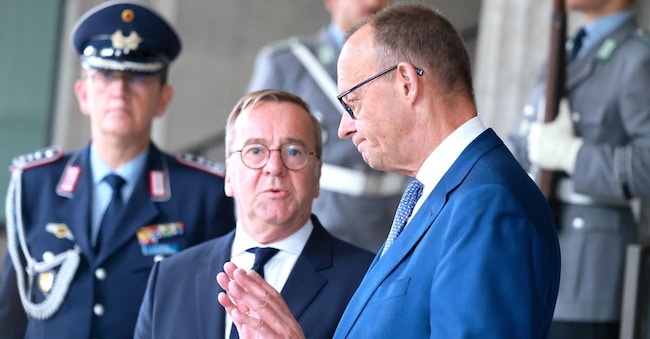
Germany, which has turned its back on debt restraint, continues to push resolutely for increased military spending. On the eve of the NATO summit in Turkey, where the contributions of European countries and Berlin will come under intense scrutiny from the United States, Friedrich Merz’s government approved the 2007 budget on Monday 6 July, allocating nearly 110 billion euros to defence – a third more than was allocated in 2026.
NATO Target
This refers to military expenditure in the strict sense – that which falls within NATO’s target of 3.5 per cent of GDP by 2035 (to which is added 1.5 per cent of related expenditure, for example on infrastructure and civil protection). Under the Ministry of Finance’s planned trajectory, Germany will rise from 2.8 per cent of GDP in 2026 to 3.5 per cent as early as 2029.
The allocation just approved exceeds by a few billion that indicated as recently as the end of April in the public finance targets for 2027, which earmarked almost 106 billion from the ordinary budget, compared with 82.7 in 2026. Added to this are 11.5 billion for Ukraine and the resources from the special fund, launched in mid-2022 by the previous government (100 billion in total), which is due to run out next year. Total planned defence spending in Germany thus stands at around 150 billion for 2027.
‘Defending ourselves against Putin’
By 2030, military expenditure in the strict sense will exceed 183 billion. Between 2026 and 2030, Berlin will allocate a total of almost 784 billion. Under the constitutional reform approved in March 2025, all defence spending exceeding 1 per cent of GDP is exempt from the debt brake, which characterised a long era of austerity. “Peace in Europe is threatened by Putin’s imperialist ambitions. We cannot defend ourselves with a balanced budget,” said Finance Minister Lars Klingbeil.
The draft budget is due to be examined by Parliament in September. Defence accounts for almost a quarter of total public expenditure forecast for 2027 (555 billion euros), with this trend expected to see that figure rise to a third by the end of the decade.


