
Berlin accelerates on defence: expenditure to 3.7% of GDP in 2030
Germany has overtaken the UK in 2025 and is already fourth in the world in terms of allocations, after the US, China and Russia. For 2027, the total planned expenditure stands at 144.9 billion

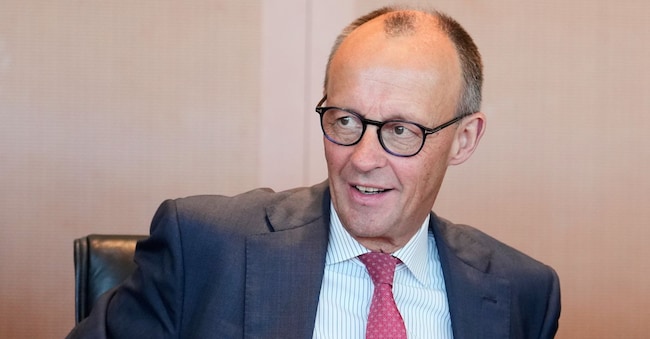
Germany, which has just overtaken the UK as the world's fourth largest military spender, is again raising its defence resources to 3.1% of GDP next year and 3.7% in 2030.
I target 2027
On 29 April, the executive approved the public finance targets for 2027. From the ordinary budget, EUR 105.8 billion will be allocated for defence, up from EUR 82.7 billion in 2026. Added to this are 11.5 billion for Ukraine and the resources of the special fund, launched in mid-2022 by the previous government (100 billion in all), which runs out next year. That was the first response to the Russian invasion of Ukraine, which in February of that year had already radically changed the international context for Europe, even before Donald Trump's return to the White House. For 2027, the total planned defence expenditure in Germany thus stands at 144.9 billion.
"Developments over the past year and those in Iran in recent months show how important investment in our defence capability is," said Chancellor Friedrich Merz, also referring to tensions with Washington over tariffs, NATO and Greenland.
"Europe's strongest army"
Immediately after winning the election in 2025 and even before taking office, Merz wanted and obtained the constitutional reform that frees all defence spending above the 1 per cent of GDP threshold from the constraints of the debt brake. Virtually no internal limits on what the government could allocate. An epoch-making turning point for Berlin and a radical change of position for Merz, who has thus abandoned the traditional austerity line, not without some discontent within his own party.
The Chancellor, who envisions a nuclear deterrence made in Europe based on cooperation with France and the United Kingdom, has repeatedly stated that he wants to make the Bundeswehr the strongest conventional army on the continent. Germany was instrumental in the EU's decision to grant flexibility to member states on defence funding. It was also the first of the Twenty-Seven to take advantage of this, back in April 2025.


