Eating out

Better to open the restaurant in the suburbs? Here's who bet on it (and won)

The high costs of the city centre often lead to a preference for less obvious locations, but often with strong potential. And there are many venues that have become landmarks despite being born far from the spotlight

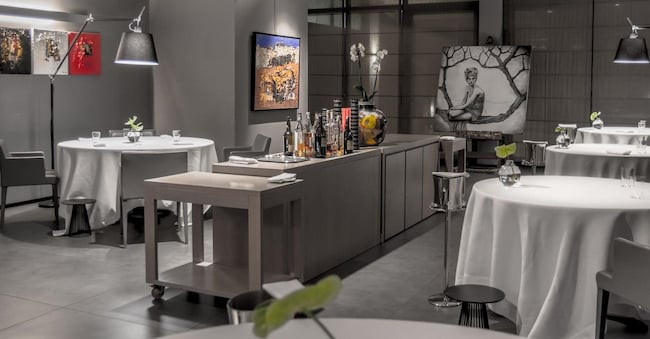
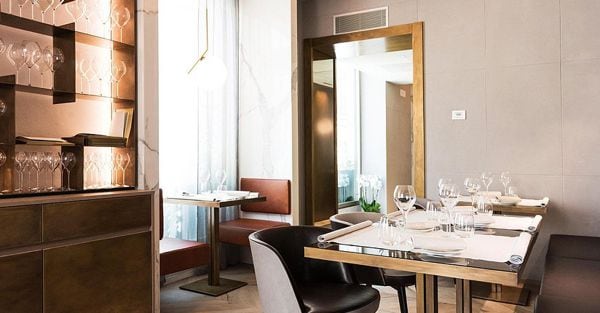
Inkiostro, cucina gourmet nella periferia di Parma

6' min read

6' min read

One of the first crucial decisions for those who want to open a restaurant concerns the location: firstly, is it better in the city centre or the suburbs? The answer is not obvious, because the pros and cons change radically, and with them the economic viability of the venture.

In the city centre, the advantages are obvious: high visibility, a constant flow of tourists and passers-by, the possibility of intercepting a more varied and, increasingly often even in smaller cities, international clientele. It is here that the game of prestige catering is often played out, with establishments focusing on original concepts and a fine dining offer.

Loading...

But the other side of the coin is the costs. Rent in central areas can exceed five to six thousand euros per month, not to mention in major Italian cities, where these figures double, accounting for up to 10% of annual turnover in the average province but much more in large cities. The initial investment for a medium-sized restaurant can easily reach hundreds of thousands of euros. Challenging sums, which, however, if the formula works, can be recouped more quickly thanks to the high volume of customers.

The situation in the suburbs is different. Here rents are lower - on average between 1,500 and 3,000 euro per month - and also the initial capital required is decidedly more accessible, generally under 200,000 euro (on average around 130-170,000 euro). The clientele is more stable and loyal: residents, families, workers in the area. Less direct competition, more opportunity to build a lasting relationship with those who habitually frequent the neighbourhood. The disadvantage is obvious: lower visibility and slower growth, which often lengthens the payback time of the investment.

On a national level, the numbers tell of a changing sector. According to Fipe, the take-away phenomenon has exploded in Italy's historic centres over the last decade (+41.6%), while restaurants with table service have grown much less (+25.2%). At the same time, traditional bars have declined by close to 10%. A sign that the market is shifting towards quick and unstructured consumption patterns, especially in central areas. In the suburbs, on the other hand, the 'neighbourhood' restaurant holds out, offering a more complete experience and a stronger link with the territory.
The entrepreneurial risk remains high in both cases: more than half of the restaurants close in the first five years of business. And, as Fipe emphasises, the problem is not only economic but also managerial: from the difficulty of finding qualified staff to the need to adapt to an increasingly demanding and less loyal public.

On the other hand, there are those who bet on the suburbs but on areas that are being redeveloped, which could potentially explode within a couple of years: just look at the case of the Isola district in Milan, today the centre of the 'movida'. What are the well-known names and restaurants that have bet on this? Here are a few examples.

Il Luogo di Aimo e Nadia

Il Luogo di Aimo e Nadia, since 1962 in the suburbs of Milan

Il Luogo di Aimo e Nadia, has its original premises in a rather peripheral location, namely in the Primaticcio area, a north-western suburb of Milan, especially since 1962 when it was founded by Aimo and Nadia Moroni and now run by chefs Alessandro Negrini and Fabio Pisani. The Michelin star confirms the excellence of its cuisine, which combines Italian tradition with a contemporary approach, with high quality ingredients and iconic dishes such as spaghettoni with fresh spring onion and chilli peppers, to be matched with a selection of wines from a truly important cellar.

Cannavacciuolo opened in Turin, focusing on a residential area

Cannavacciuolo Bistrot Torino is a gastronomic proposal located in the B Borgo Po district, a few steps from the Gran Madre Church, a quiet residential area far from the tourist crowds of the city centre. Opened in 2017, the bistrot is the brainchild of chef Antonino Cannavacciuolo, known for his three Michelin stars at Villa Crespi. The kitchen is entrusted to Gabriele Bertolo, who interprets Italian tradition with a personal touch, maintaining a strong link with the chef's Campania roots.

Cannavacciuolo Bistrot Torino

Chef Abbatista sets his sights on the Milanese suburbs after L'Albereta

.

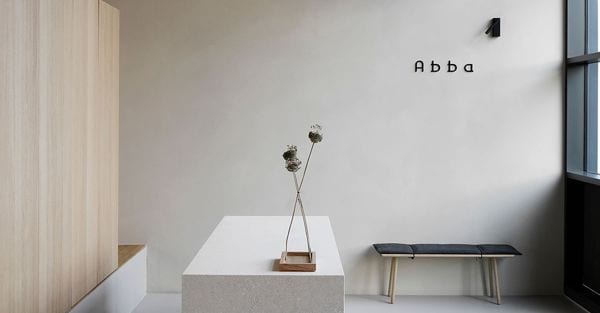
Chef Fabio Abbatista has chosen the Certosa district of Milan, specifically Via Varesina 177, for his restaurant. "This district is undergoing significant urban regeneration, transforming itself from an industrial area into a cultural and gastronomic centre. The urban regeneration project aims to preserve the district's history, promoting the creation of a vibrant community and stimulating economic and cultural opportunities,' says the chef. Contemporary cuisine that blends Italian, Apulian and international influences, with an elegant, minimalist ambience and an open kitchen, is a good bet for this roaring suburb.

Abba a Milano Certosa

Near the heart of Tuscan cuisine

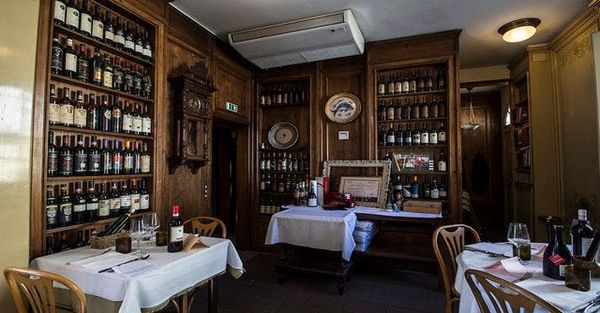
Trattoria Da Burde, located at 154 Via Pistoiese in Florence, is one of the city's longest-established and most authentic gastronomic institutions. Founded in 1901 by Egiziano Barducci, a broker in the buying and selling of pigs, the business has been handed down from generation to generation by the Gori family. Today, Andrea and Paolo Gori, the fourth generation of innkeepers, continue to carry on the tradition with passion and dedication.
The cuisine at Da Burde is a tribute to the Tuscan tradition, with dishes prepared with local ingredients and culinary techniques that respect old-fashioned recipes. Try the Tuscan hors d'oeuvre with mixed slices such as Tuscan PDO ham and finocchiona, accompanied by chicken liver croutons, or the ribollita and chickpea cacciucco and the yellow farinata with black cabbage. Also not to be missed are Florentine tripe, lampredotto in zimino, mixed boiled meats with sauces and pickles, and the famous Florentine steak, cooked over charcoal.

Da Burde a Firenze

Campus of Mars puzzle games

.

The Insolita Trattoria, located on Via Gabriele D'Annunzio in Florence, is a restaurant that defies culinary conventions. Born in 1952 as Trattoria Tre Soldi, it has been transformed by chef Lorenzo Romano into a unique gastronomic experience where every dish is a sensory enigma. The restaurant is located in the suburban district of Campo di Marte, an area that is undergoing a process of urban regeneration, with new cultural and gastronomic initiatives that are enhancing its identity. This changing context gives Insolita Trattoria a significant role in the Florentine culinary scene, offering an experience that goes beyond a simple dinner, proposing a game of gastronomic illusions that stimulates curiosity and pleasure.

Insolita Trattoria a Firenze

Inkiostro, gourmet on the outskirts of Parma

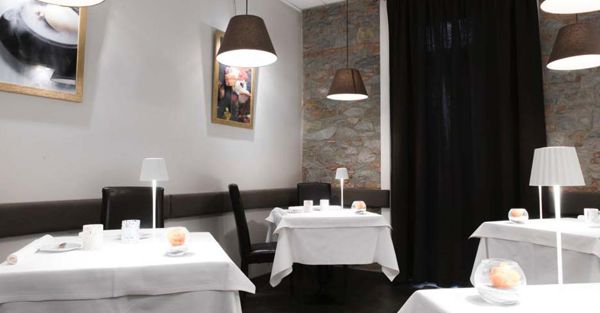
Inkiostro is a gourmet restaurant located in Parma, precisely at Via San Leonardo 124, in the outskirts of the city. Despite its non-central location, Inkiostro has earned a reputation for culinary excellence, earning a Michelin star thanks to its creative and contemporary cuisine. In the kitchen, Calabrian chef Salvatore Morello offers dishes that are often paired with unusual combinations and artistic presentations. Among the most popular are the balfego tuna sushi with daikon and tobiko, the oyster with yuzu kosho and prickly pears, and the pigeon with celeriac, corn and tapioca.

Edit Torino

Edit Torino, a pulsating, young Barrier

.

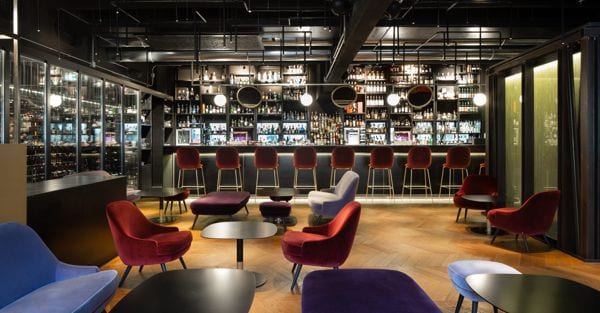
Edit Torino is an innovative gastronomic hub located in the Barriera district of the Savoy capital, at Piazza Teresa Noce 15/A. Occupying a 5,000 square metre former industrial plant, this multifunctional space combines kitchen, brewery, cafeteria, cocktail bar, coworking and loft in a single urban experience. The project, conceived by entrepreneur Marco Brignone, aims to create a young and dynamic environment, with the average age of the team around 30.

Belloverde a Roma Vigne Nuove

In the green, in Rome away from tourists

Belloverde chooses the suburbs: its location in Vigne Nuove allows for a spacious environment surrounded by greenery, with spaces that are hard to find in the more central and congested areas of the city. This distance from the tourist heart of Rome also allows for a more intimate experience, far from mass tourism. The variety of the menu ranges from pizza to seafood and meat dishes, and the well-thought-out aperitifs and cocktails make the restaurant competitive even at a gourmet level.

Tripstillery sul Naviglio Pavese

Tripstillery, Naviglio away from the nightlife

.

Tripstillery doubles its presence in Milan with the opening of a new location on the Naviglio Pavese, following the success of the first location in Porta Nuova opened in 2022. The concept remains that of a cocktail bar with an open distillery, offering guests an immersive experience: it is possible to observe all the stages of distillate production, from the maceration of herbs to the customisation of the bottle. The most interesting novelty is the introduction of an innovative still that allows distillation also in a vacuum and the production of non-alcoholic distillates, in line with new trends in mixology. And for the second opening, the urban liveliness of the Alzaia Pavese was chosen, certainly less well-known than the movida that characterises Flavio Angiolillo's other venues.

Copyright reserved ©
Loading...

Brand connect

Loading...

Newsletter

Notizie e approfondimenti sugli avvenimenti politici, economici e finanziari.

Iscriviti