
Beyond wearables: AI and augmented reality for the well-being of the future

3' min read
3' min read
Even at the latest edition of RiminiWellness, the international event dedicated to fitness, sport and wellness confirmed how technological innovation is now an integral part of health care and how artificial intelligence and augmented reality are making training practices increasingly personalised. A few examples? The Genoese start-up Real Move has created a motion capture system that uses cameras and algorithms to detect and visualise body movements on the screen, guaranteeing the possibility of participating in interactive training sessions, at home or in the gym, with the support of virtual trainers who provide real-time feedback for posture correction. Its main plus? It eliminates the need to wear an actual digital device to track one's physical activity. Tepy, on the other hand, is an artificial intelligence-based application designed for the treatment of musculoskeletal pain and capable of proposing tailor-made exercises in the event of physical pain, while Move&Fit, developed by the Forlì-based Move&Fell, is a sensor-based wearable solution capable of haptic feedback that allows one to train in virtual environments in an immersive and realistic manner, blending the concepts of motivation and fun and making training more engaging and accessible.
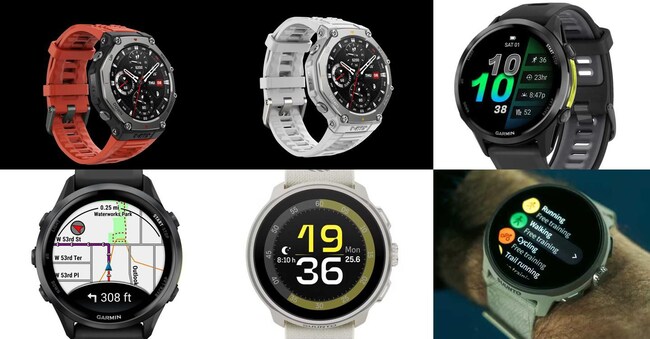
The category of accessories that are most popular with fitness enthusiasts and wellness followers at the moment remains that of classic wearables, i.e. trackers, smartwatches and smart devices of various kinds, capable of not only measuring physical performance in real time but also collecting and processing data useful for optimising physical activity and improving overall health. Big names in the tech universe and great specialists in this sector (from Samsung to Apple via Fitbit and Garmin to Chinese brands such as Hauwei, Xiaomi and Amazfit to European brands such as Suunto and Polar) guarantee a very wide variety of purchases, leaving the user to evaluate (in addition to the aesthetic component, always and in any case subjective, and the price factor) a series of variables that essentially concern the technical sphere. Checking heart rate, calories burned, ECG (electrocardiogram) function and blood oxygenation level are now standard, and even more advanced features such as muscle recovery analysis and virtual coaching driven by artificial intelligence are present on many devices. So how do you choose the 'perfect' one for your needs? By weighing up the pros and cons of the various types of products on the market and considering a number of factors (from the sport practised to the desired level of data collected to the spending budget available) that may condition the decision. Fitness trackers, from this perspective, are the ideal starting point for those who want to monitor their daily activity simply and inexpensively. They offer basic functions such as counting steps and monitoring beats and calories burned, making them particularly useful for those who want to keep an eye on their well-being with a discreet instrument, with the possibility of increasing performance in models designed specifically for specific disciplines such as running, swimming or cycling; on the other hand, they pay the price in terms of versatility and the need to use a smartphone to check data. Smartwatches, on the other hand, have the advantage of combining connectivity and advanced monitoring of physical status, but also of being able to receive and respond to notifications, manage calls, read e-mails and messages, acting as a true extension of the phone. Those looking for advanced features will find them (on premium models) in in-depth training metrics, tools such as altimeter and compass, and advanced GPS navigation functions. However, they cost more (even significantly) than smart bracelets and only in some cases boast long battery life. Finally, the smart rings, the latest (for the moment) in the wearable scene: their merits revolve around comfort of use and continuous health monitoring, while their shortcomings (the accuracy of the readings is not always accurate) reflect the nature of a young and still evolving tech gadget. Formats and capabilities aside, the direction of development of these objects is in any case traced and embraces on the one hand the increasingly pervasive role of AI to perform even more detailed data analysis and on the other hand the integration with augmented reality apps to create increasingly immersive training experiences. For mental health monitoring capabilities on the wrist or finger, however, there is still some time to go.

