
Biden-Trump, TV duel: the president, uncertain and hoarse, disappoints in face-to-face with the tycoon. Panic among Dems
The President misses lunges at issues dear to him such as abortion rights and the 6 January uprising. Trump, amid elusive and misleading responses, appears aggressive but controlled

5' min read
5' min read
An uncertain Joe Biden, fully demonstrating his 81 years and at times looking fatigued and confused. An aggressive Donald Trump, who evaded and misled (and at times continued to repeat falsehoods about the election he lost in 2020 and his own efforts to subvert it). But who often seemed more controlled, disciplined and calm than usual.
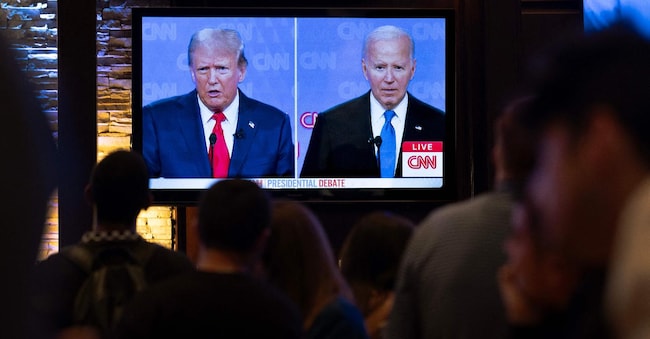
The first debate of the US presidential campaign did not reassure American voters - nor the increasingly nervous activists and leadership of the Democratic Party - who were worried about Biden's age and image of fragility. Despite being 78 years old, Trump delivered a performance deemed more determined. The judgment of the big media flowed mercilessly: 'Biden's crash in first debate with Trump', headlined the Wall Street Journal, which pointed out that his rival 'remained composed'. Biden "floundering" wrote the New York Times, despite Trump's "deceptive attacks". Similar terms were used by the Washington Post.
The effect on the polls remains to be seen, with the polls still four months away and time for ransom chances. This, however, is at first glance the summary of the face-to-face meeting that took place in the Atlanta TV studios of CNN. Ninety minutes of questions and answers from the candidates to journalists and channel moderators. In the eyes of the experts, Biden, his voice hoarse and weak aggravated by a cold, too often, especially in the first half hour, seemed unable even to finish some of his sentences clearly. Nor did he manage to shine even on the topics he considered most favourable, the defence of abortion rights (attacked by the Republicans) and that of democracy and its values, starting with the denunciation of the assault on Congress on 6 January 2021 by supporters encouraged by Trump. Vice-President Kamala Harris herself later admitted that Biden 'got off to a slow start' in the debate. One of Biden's most effective responses came on foreign policy, on multilateralism, allies and NATO: he accused Trump of wanting to give up Ukraine to Russia and of "being the man who wants to get out of NATO".
Trump, in terms of substance, first attacked on issues familiar to him: immigration, accusing Biden of opening the borders to waves of often dangerous illegal immigrants; and the economy, blaming Biden for excessive inflation. On foreign policy, he said Biden had ruined the US's reputation for strength. And he did not let slip a jab at Biden's slips: 'I really don't know what he said, and I don't think he does either,' he said at the end of a particularly convoluted remark by his rival on migrants. Trump also indicated that he will only accept the outcome of the next election if it is fair and legitimate.
Several Democratic Party officials, behind the scenes, expressed open nervousness about the President's overall performance. "He had one mission: to reassure himself that he was capable of being president for another four years. And he failed it," said one Dem representative. Indeed, Biden needs to mobilise the party's base, which lacks enthusiasm for him, and reach out to small but crucial swathes of undecided and independent voters. Biden, in a post-debate event, tried to harangue supporters by stating that 'we will beat this gentleman', referring to Trump. Among party officials, however, some have even entertained speculation about replacing Biden as the candidate in extramis at the August convention.


