
The British Government is considering new taxes on banks to fund the 2026 budget
Although these are unconfirmed press rumours, the options reportedly include reinstating the 8 per cent surcharge or a one-off levy on the profits of credit institutions

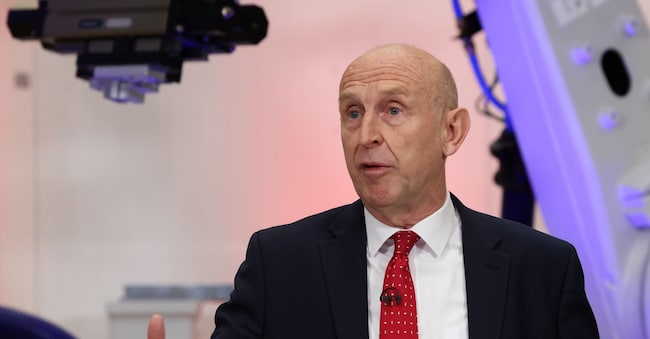
The countdown to the eagerly awaited budget on 28 October – the first to be presented by the new Chancellor of the Exchequer, John Healey – has begun, with the prospect of new taxes on banks to raise a few billion pounds and plug the financial gaps caused by the war in Iran. The British Treasury has declined to comment, but the growing number of rumours led to a slump in the shares of the major banks on the London Stock Exchange this morning: NatWest is down 2 per cent, Lloyds 2.5 per cent, and so on.
Healey must try to square the circle: maintaining fiscal discipline to reassure the markets, whilst at the same time having to find the funds to sustain public services that are in decline. One solution recommended by some and backed by the party’s left wing and the trade unions is to impose a one-off tax on the banks, which have posted record profits this year thanks to rising interest rates. The four largest banks – HSBC, Lloyds, NatWest and Barclays – reported profits of £15 billion in the first half of 2026 and £200 million over the last five years.
Towards ‘important budgetary decisions’
The Chancellor, who was in Bangkok for the International Monetary Fund meeting, said he would have to make “important budgetary decisions” but, as is customary, declined to give any advance details.
“All too often, people see banks as large, distant financial institutions, when in reality they are part of the economic fabric of our country and crucial to our future prospects,” said Healey – words that have been interpreted as a coded message that the sector will have to make a significant contribution to getting public finances back on track. The Chancellor also said that banks are “the crown jewels” of the British economy, but failed to reassure the sector, which feels it is being targeted.
The options on the table
One of the options the Chancellor is considering is to restore the bank levy to 8 per cent, the level it was at before the Conservative Government reduced it to 3 per cent in 2023. The move could generate over 2 billion pounds a year. Another option is to impose a one-off tax on profits, which, according to some estimates, could bring £19 billion into the Treasury’s coffers.

