
‘Hope again’: Burnham’s appeal to the British people amid a halt to privatisations and welfare reform
“The new social contract for the 21st century”, as the Prime Minister has called it, sets out a ten-year reform programme but also includes immediate changes to reduce the cost of living. From tomorrow, VAT will be abolished on utility bills, and next year no bus journey anywhere in the country will cost more than two pounds

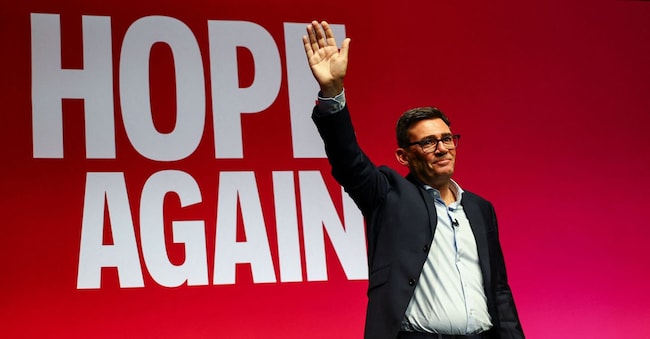
LONDON – A new economy, a new policy, a new direction for the UK: this was the promise made by Andy Burnham in his first speech as party leader and Prime Minister at the Labour Party conference today.
“The new social contract for the 21st century”, as the Prime Minister has called it, sets out a ten-year reform programme but also includes immediate changes to reduce the cost of living. From tomorrow, VAT will be abolished on utility bills, and next year no bus journey anywhere in the country will cost more than two pounds.
A U-turn on privatisation
Looking ahead, the mission outlined by Burnham envisages a reversal of the privatisation policies that have had a disastrous effect; he said: “The people have lost out and the shareholders have got richer”. The water system will be brought back under public control, and the Great British Grid, a public company, will be created to manage the electricity grid in order to lower prices and speed up connections. Britain and Italia are the two countries in Europe where electricity costs are highest.
In his speech, which was punctuated by numerous standing ovations, Burnham pledged to be honest with voters and admitted that “change will be difficult.” Given his promise to maintain fiscal discipline and reduce public debt, the Prime Minister announced that, from 2030, the ‘triple constraint’ on state pensions will come to an end. The current system stipulates that the annual increase in pensions must be equal to the highest of three parameters: the inflation rate, average wage growth or a guaranteed minimum threshold of 2.5 per cent.
The so-called ‘triple lock’ has driven costs up to over £146 billion a year – more than double the defence budget – with further increases expected in the coming years given the rise in inflation. This is an unsustainable level of expenditure for the Treasury, according to the OECD and numerous research centres.

