
In his first speech, Burnham sets his sights on reviving the economy and tackling the cost of living crisis
The Prime Minister also emphasised his plan to bring essential services such as transport, energy and water back under public control

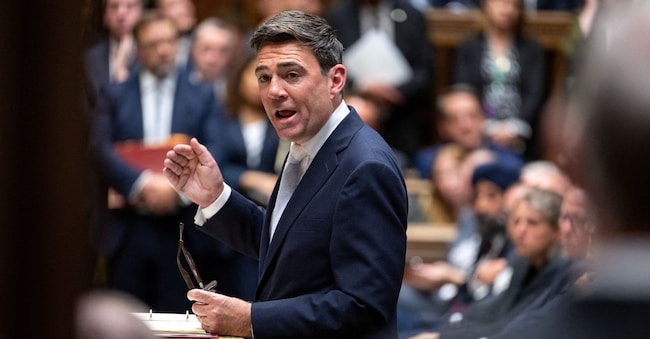
LONDON – In his first speech in Parliament since becoming Prime Minister Andy Burnham today paid tribute to his predecessor Keir Starmer, who, with a touch of mischief, chose the very day of his successor’s debut at Westminster to announce his resignation as an MP and his retirement from British politics.
Burnham thanked Starmer for leading the Labour Party to victory in 2024 after 14 years in opposition and for having consistently supported Ukraine, reiterating that his Government will continue to do the same.
Burnham, who has been Prime Minister for six weeks – a period that has coincided with Parliament’s summer recess – has returned to Westminster after a ten-year absence, during which he served as Mayor of Manchester. In his speech, he touched on all the issues close to his heart: his determination to reduce the cost of living, his mission to give greater autonomy to local authorities, and his conviction that his success in Manchester in revitalising the economy through close collaboration between the public and private sectors can be replicated across the country.
Positivity and optimism
The Prime Minister also emphasised his programme to bring essential services such as transport, energy and water back under public control. “I have a credible and coherent plan to kick-start growth,” said Burnham. More than the content of his speech, however, it is the tone that is different: a message of positivity and a sense of optimism that sets him apart from Starmer.
“I want to restore hope to every corner of the country,” said Burnham, and people seem willing to believe him. For the first time in over a year, Labour has overtaken Reform, the far-right party, in the opinion polls thanks to the new Prime Minister’s popularity. This honeymoon period may not last, given the problems Burnham will have to tackle, ranging from soaring interest on the national debt to defence spending, from thorny international issues to the staggering rise in social care costs, from rising inflation to still sluggish growth. For now, however, the Prime Minister has his party and a large part of the electorate on his side, in stark contrast to his predecessor, who had, despite himself, become the most unpopular Prime Minister in history.

