
'Bild': Berlinale director Tuttel to be replaced
The American at the centre of controversy for what happened during the award ceremony. But festivals are always a political venue

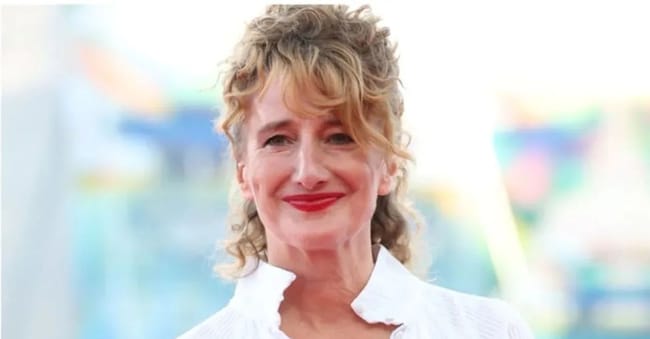
It was in the air. The 'Sole 24 Ore' had already written about it Sunday in the cultural supplement. The chair of the Berlinale director, the American Tricia Tuttle, in her second term, was creaking. It was foreseeable already for the not-so-high name of the big German festival, but the all-political confirmation came from the 'Bild', citing sources close to the federal company that organises the festival. According to the rumours, the Minister of State for Culture, Wolfram Weimer, has called an extraordinary meeting of the governing bodies of the Kulturveranstaltungen des Bundes in Berlin (Kbb), - the organisation in charge of the Berlinale - for tomorrow, with the possible revocation of the appointment at the helm of the festival on the agenda.
The crux of the controversy
At the centre of the controversy would have been the rejections and controversy raised during Saturday night's Golden Bear award ceremony. Last year there was a big uproar over the pro-Palestinian statements of some guests at the award ceremony, which were unwelcome by the German government, which has a different sensitivity on the issue for historical reasons. Thus, when this year Wim Wenders, president of the jury, asked for cinema and not politics, Arundathy Roy cancelled his participation. Kaouther ben Hania, director of The Voice of Hind Rajab, refused the Cinema for Peace award, while over 90 authors, including Ken Loach, Tilda Swinton and Javier Bardem, signed a letter addressed to the organisation against the silence imposed on Gaza.
Despite the reckless somersaults of the presenter, Luxembourgian actress Désirée Nosbusch, and Tuttle to never touch the 'Gaza issue', when Palestinian Abdallah Alkhatib with Chronicles of siege took the stage to accept the award for his film, he accused the German government of standing by Israel, promising to remember those who 'have been with us and against us'. Some cries against Hamas came from the audience. The episode triggered accusations of anti-Semitism and a heated political debate. Further controversy arose over photographs taken in the preceding days, in which Tuttle had posed with the film crew with Palestinian symbols.
Even Lebanese director Marie-Rose Osta turned down the Golden Bear for the best short film Someday a Child, since her film was about an 11-year-old boy who experiments with magical powers to overcome the evils of war.
New beginning
According to 'Bild', the case contributed to the decision to start a 'new beginning' for the festival. Weimer, ahead of the meeting, stated that the Berlinale "is not a place for hatred, threats and anti-Semitism" and that manifestations of hostility towards Israel cannot find a place in a publicly funded event.


