

Biomedical sector: businesses sound the alarm: ‘We need a new governance structure now’
The industrial sector, which generates 18 billion, is looking to the forthcoming Budget Bill to defuse the 5 billion payback and overhaul spending management by raising the ceiling to 7 per cent

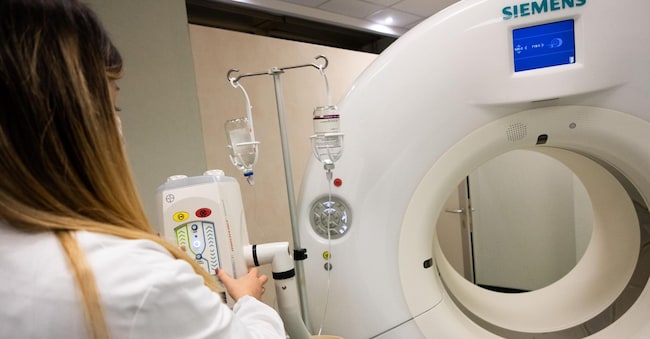
They are more resilient and have grown (+6.8% in production alone) despite international tensions and geopolitical instability, which are putting pressure on logistics and raw materials, with production costs soaring by over 20 per cent, peaking at 50 per cent. But now the more than 4,600 companies in the biomedical sector – 90 per cent of which are SMEs – which generate 18 billion across the domestic market and exports, producing everything from a simple syringe to the latest-generation CT scanner utilising artificial intelligence, are calling for ‘new governance’ and a ‘long-term industrial strategy’ because ‘without solid businesses, innovation cannot reach the public’, warns Fabio Faltoni, president of Confindustria Medical Devices. Just a few days ago, he took part in the first meeting of the Medical Devices Observatory working group convened at the Ministry of Health, where the structure of this sector – which employs over 134,000 people – is set to be redesigned.
The first eagerly awaited event is the forthcoming budget, which is starting to be discussed in the coming weeks, and it is here that businesses are expecting an initial significant signal to defuse the payback time bomb: biomedical firms, having already paid around 500 million for exceeding the spending cap for the years 2015–2018, are now living under the nightmare of the sword of Damocles in the form of a colossal payback totalling 5.1 billion for overspending from 2019 to 2024. If the sector were ever called upon to cover such a sum, it would effectively face bankruptcy: ‘This mechanism is no longer sustainable because it penalises companies that have simply supplied hospitals with the technologies required by the National Health Service. Continuing to maintain it,’ warns Faltoni, ‘means weakening a strategic supply chain for the country, with negative effects on industry, innovation and the quality of care offered to patients. This is why immediate action is needed, just as it is important to make the payback working group set up at the Ministry of the Economy a permanent fixture, in view of the decisions that will have to be taken with the next Budget Bill.”
The original sin of ‘payback’ – a mechanism borrowed from the pharmaceutical sector and applied against our will to medical devices after years of being on hold – stems from an underfunded spending cap which the latest budget has set at 4.6 per cent of the National Health Fund: “‘Our proposal is clear,’ emphasises the president of Confindustria Medical Devices, ‘namely to continue raising the spending cap to 7 per cent, finally bringing it into line with the NHS’s actual needs, and to do away with the payback scheme once and for all, eliminating a mechanism that shifts the cost of public spending overruns onto businesses’. For Faltoni, too, the crux of the matter remains a new governance system capable of ensuring both innovation and the sustainability of the system – a combination that may seem difficult, if not impossible, but which can in fact be achieved “without building new IT infrastructure or collecting new data”. In fact, it is sufficient to integrate and make the most of what is already available: “This can be done using predictive models to support planning, by integrating existing data flows, developing analyses of consumption and regional variability, and creating dashboards and decision-support tools. We also propose trialling pilot planning models for diagnostic, therapeutic and care pathways, and using real-world evidence for HTA assessments and investment decisions. Alongside this,’ concludes the president of Confindustria Medical Devices, ‘we propose a permanent roundtable on healthcare planning, involving central government, the regions and industry, to share data, identify needs and provide structured support for the introduction of innovation.’


