
BMW 3 Series: how it came about and where the batteries for the i3 electric car are made
BMW’s designers recounted the story behind the new 3 Series, and we were given a tour of the Irlbach-Straßkirchen plant, which cost around one billion euros and was built in record time.

Key points
- BMW 3 Series, a project launched during the pandemic
- Dingolfing, where the new 3 Series will be produced
- Where are the i3’s batteries made?
- BMW: a factory built in two and a half years
- From cells sourced in China to the battery pack
- Gen6 batteries: how their structure has changed
- A network of five factories
Petrol, hybrid and electric. All share the same styling and interior, but are built on different platforms. This is how the eighth generation of the BMW 3 Series came into being, available for the first time as a 100 per cent electric model, as explained during the launch conference organised at the German plant in Dingolfing by those who have been involved in the project from the very beginning. A two-day event that took us inside the production facility where the new 3 Series will be built, and to the newly opened Irlbach-Straßkirchen plant where the batteries for the i3 and future Neue Klasse models will be assembled.
BMW 3 Series: a project launched during the pandemic
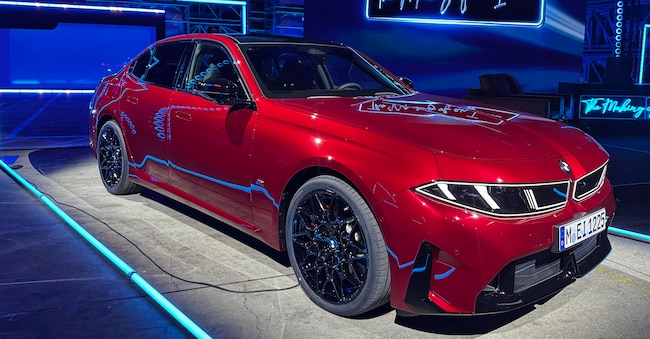
Development began during the Covid pandemic, with the aim of giving the various powertrain options a shared identity. The petrol and hybrid versions use the Clar platform, whilst the i3 utilises the Neue Klasse electric architecture. Technical requirements may change, but the bodywork and interior must make it clear that they belong to the same family.
The choice of style involved comparing the work of around ten to fifteen designers. The shortlisted proposals were whittled down to two or three and turned into full-scale models for submission to the board of directors. The transition from digital tools to physical modelling and scanning made it possible to verify the shapes against technical constraints. The final design was approved in early 2024, and the first physical prototypes were ready by the middle of that year. A hand-built model enabled the evaluation of materials, screens, lighting and sound before the pre-production cars were built. The result is a visible family resemblance between the cars, whilst retaining differences in proportions, wheelbase and overhangs. At the front, the grille and headlamps are integrated into a horizontal design, whilst flush-fitting door handles and simplified surfaces characterise the side profile. The interior, too, follows a shared design language, with the large screen at the centre of the dashboard and information projected at the base of the windscreen.
Dingolfing, where the new 3 Series will be produced
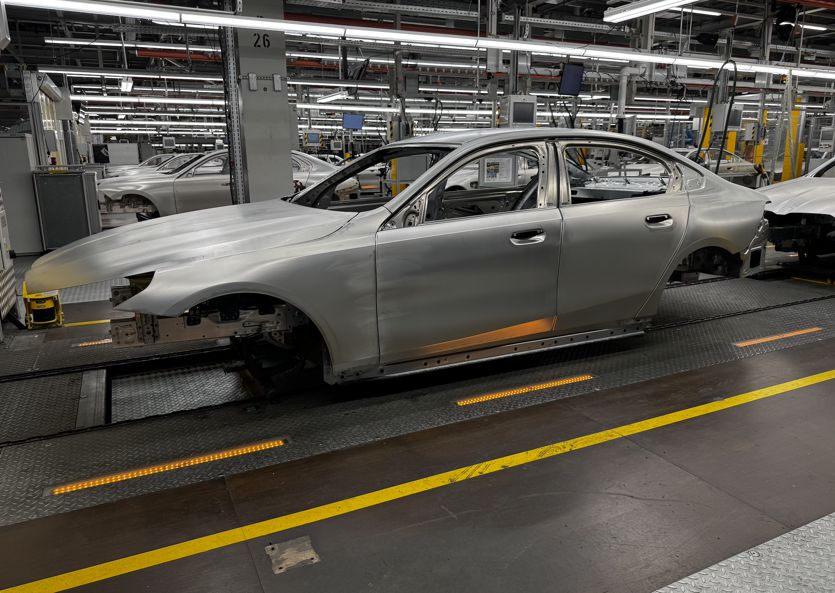
Acquired by BMW in 1967, the Dingolfing plant has been producing the brand’s cars since September 1973. It is the group’s largest European production centre, employing around 18,000 people. The 4 Series, 5 Series, 7 Series and iX are all built here. From November 2026, the new 3 Series with a combustion engine will be added to the line-up, marking the model’s departure from Munich after more than fifty years. However, this is not a completely new venture for Dingolfing, as the model has already been manufactured there on several occasions since 1980.
Production of the i3 will continue in Munich, whilst from 2027 the plant will be dedicated exclusively to electric cars. The distinction between the two sites coincides with the generational change of the saloon, the first series of which rolled off the production lines in Munich in 1975.

