Major projects

The Brenner Rail Tunnel: Italy and Austria united beneath the Alps

The final rock face has been breached on the Austrian Ponfs-Brenner construction section: the worksite has reached the tunnels on the Italia side for the first time

Tunnel del Brennero, abbattuto l’ultimo diaframma

3' min read

Translated by AI
Versione italiana

3' min read

Translated by AI
Versione italiana

For the first time, Italia and Austria are linked by an underground tunnel dug beneath the Alps. After many years of hard work on both sides, miners in the Brenner Base Tunnel are celebrating a historic milestone.

On the Austrian side of the H53 Pfons-Brennero construction section, at dawn on Tuesday 28 July 2026, the final rock wall gives way: dust billows up, light streams through the new openings and, at this very moment, a new chapter in the history of the Fortezza–Innsbruck Base Tunnel is written. Moments later, the miners and project managers enter the tunnel section on the other side of the state border, shaking hands with their Italian colleagues.
Loading...

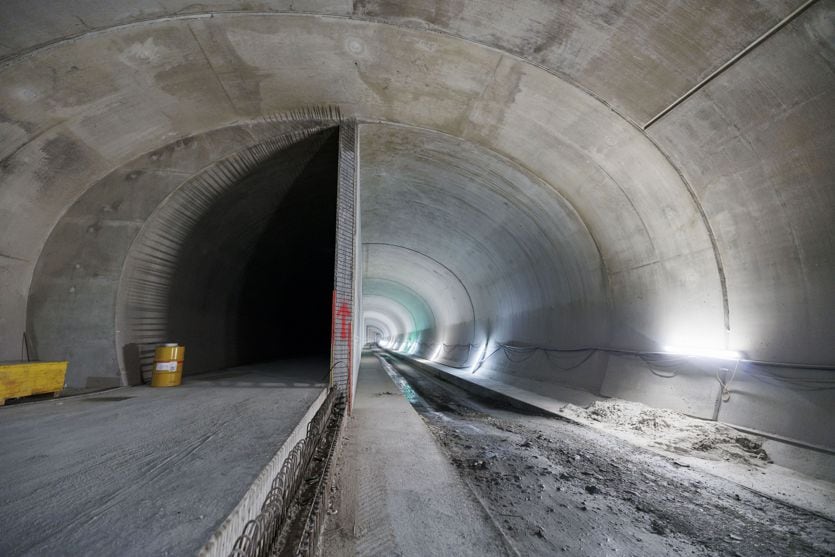
With this breakthrough, the Austrian tunneling works on construction lot H53 Pfons-Brenner have been connected to the main tunnels already completed on the Italian lot H61 Mules 2–3.

At a depth of around 1,400 metres beneath the Brenner Pass, two new cross-border links between Austria and Italia have thus been created. The national border in the heart of the Brenner Pass has once again been crossed: following the breaking through of the bulkhead in the exploratory tunnel on 18 September, Austria and Italia are now also linked via the two main railway tunnels.
Two excavation methods

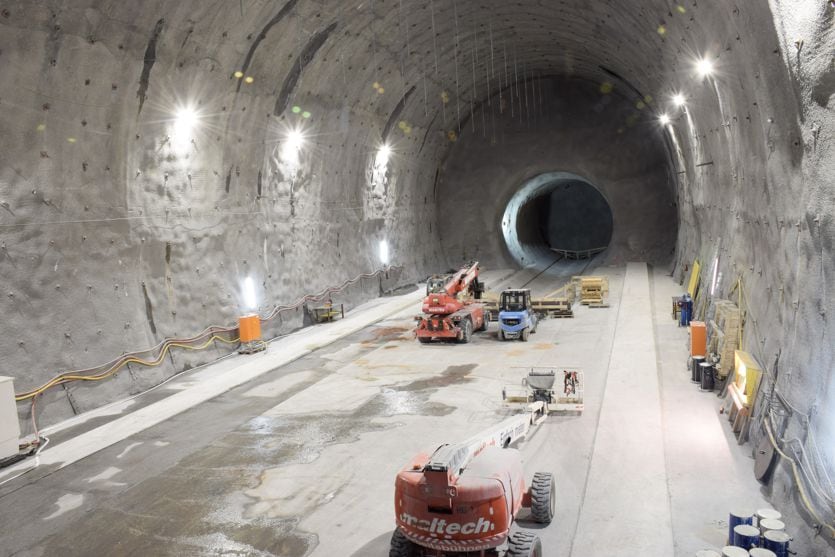
This milestone not only marks the completion of two tunnel sections, but also brings together two construction sites that have been carried out independently of one another for several years: the Austrian construction lot H53 Pfons-Brennero and the Italian lot H61 Mules 2-3. Two different tunnelling methods were used to achieve this milestone.
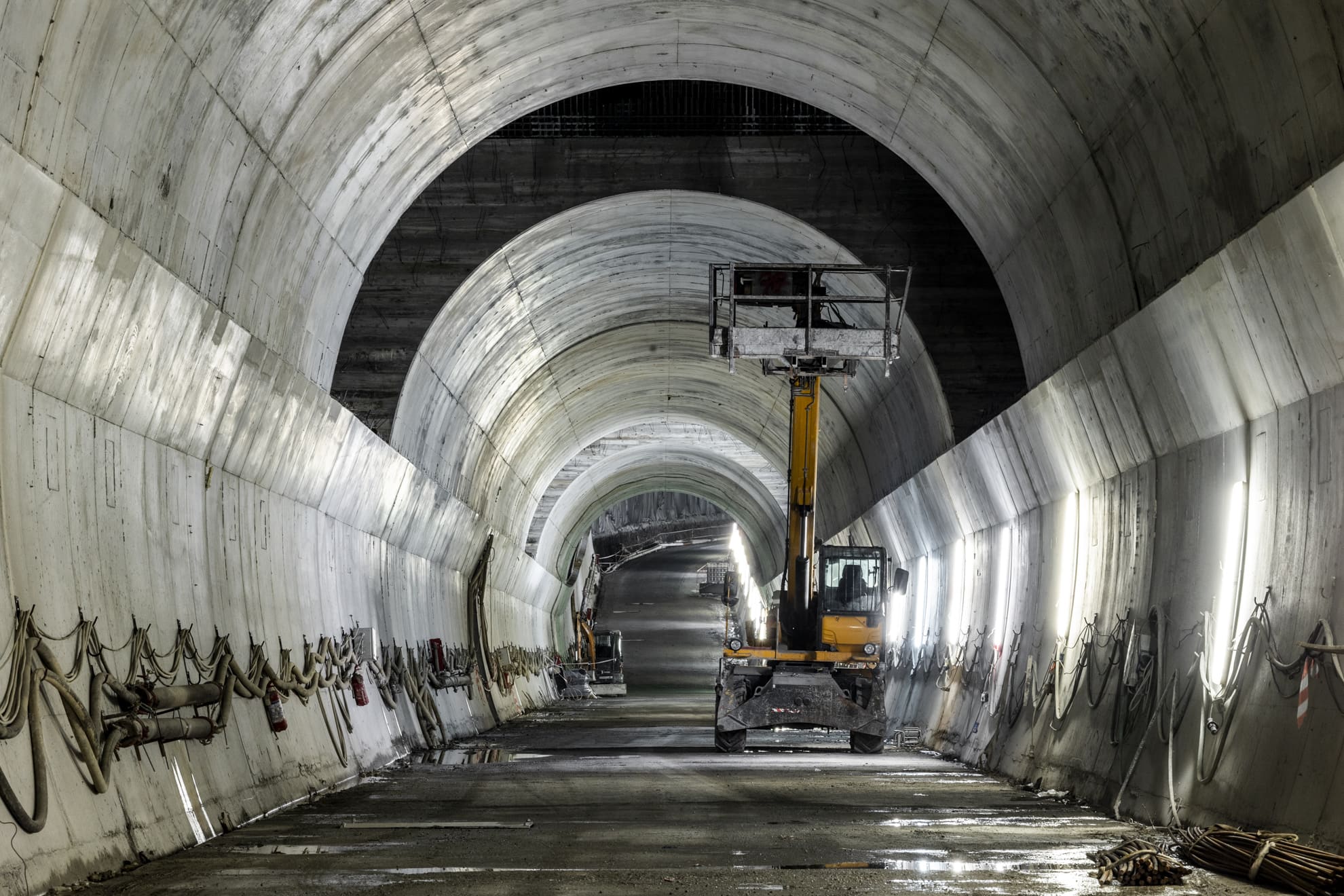
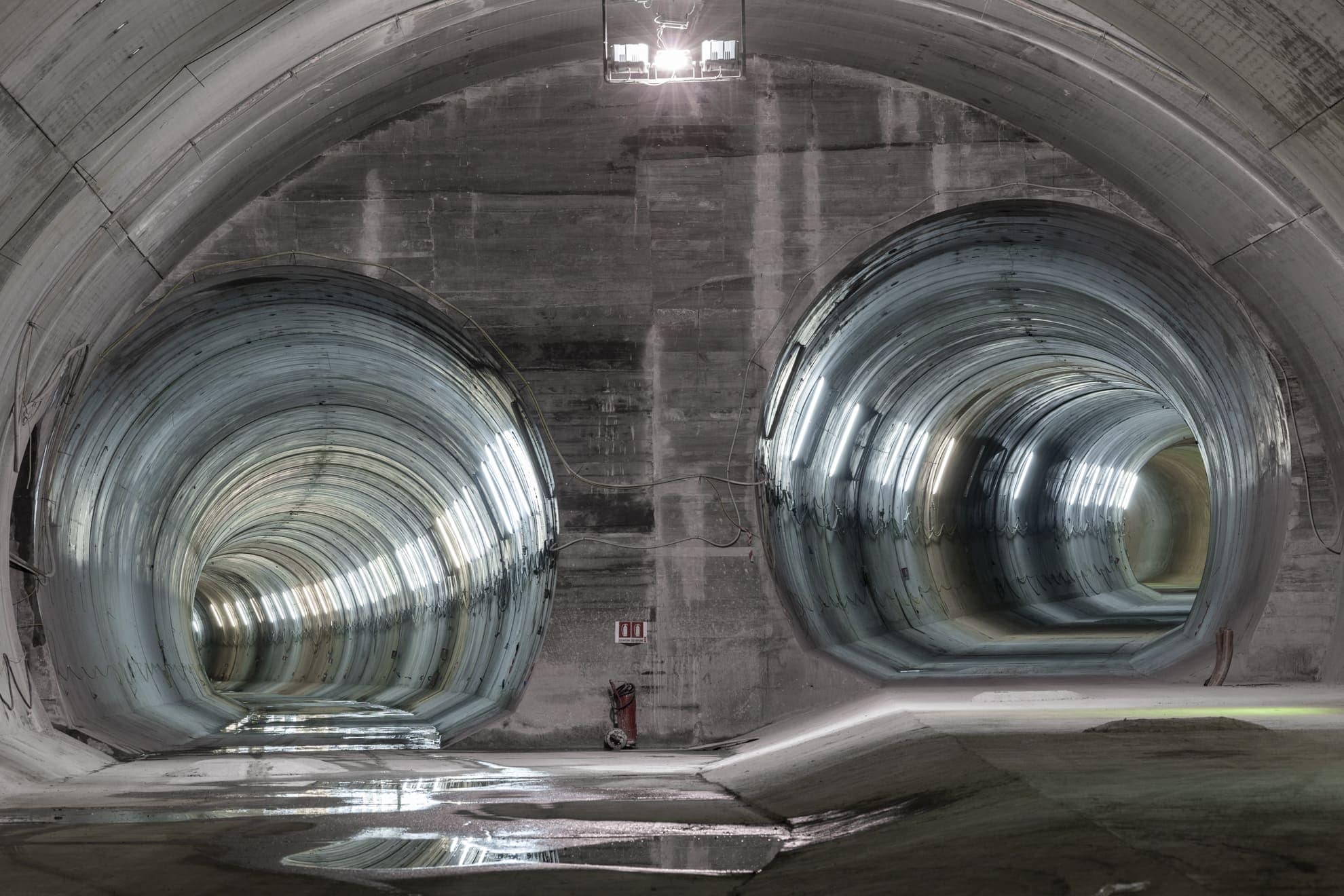
On the Italian side, the Virginia and Flavia tunnel-boring machines (TBMs) mechanically excavated the two main tunnels right up to the national border.

On the Austrian side, however, the tunnelling was carried out using traditional methods, involving excavation with explosives. The cross-passage broken through today therefore not only connects two countries and two construction sites, but also two tried-and-tested methods of tunnel excavation.

This significant milestone therefore represents much more than a mere engineering achievement. It symbolises the close collaboration between two countries, engineering excellence and the tireless commitment of all those involved in the project, who are bringing this railway project to fruition with skill and passion.

For the two members of the Management Board of BBT (Brenner Base Tunnel), Martin Gradnitzer and Umberto Lebruto, 28 July therefore marks one of the most important milestones in the history of the Brenner Base Tunnel project: “With the joining of the two main tunnels of the BBT,” the two executives explain, “our project has reached a crucial stage. In future, freight and passenger trains will travel through here between Austria and Italia. This success is a remarkable demonstration of what can be achieved when people work across borders towards a common goal. The project has many names, but above all it bears the mark of the people who built it, day after day.”

Precision: the key to success

This extraordinary achievement would not have been possible without the utmost surveying precision.

Loading...

One need only consider the excavation of the exploratory tunnel, a project launched from the Wolf and Mules access tunnels using the very latest surveying technologies. When the diaphragm was breached last September 2025, the deviation recorded was just a few centimetres.

These extremely precise measurements then formed the basis for the excavation of the main tunnels.

The true heroes of this historic day are the miners, the foremen, the blasters, the machine operators, the electricians, the surveyors, the geologists, the safety officers and the engineers. People who, for many years, day after day, shift after shift and metre after metre, have worked in the most difficult conditions deep within the mountain.

Now our attention is already turned to the future.

The two TBMs, Wilma and Olga, are about to complete the excavation of the two main tunnels towards Innsbruck.

Once these excavations are complete, all the railway tunnels will be connected without any breaks.

When it comes into service, between 2032 and 2034, this huge railway infrastructure (64 kilometres long) will help to ease congestion on the Brenner motorway, one of Europe’s busiest motorways, and to shift increasing volumes of freight currently transported by road onto the rail network.

Copyright reserved ©
Loading...

Brand connect

Loading...

Newsletter

Notizie e approfondimenti sugli avvenimenti politici, economici e finanziari.

Iscriviti