United Kingdom

British Prime Minister Burnham: ‘Brexit hasn’t worked’

This statement is particularly significant in the run-up to the EU-UK summit scheduled for Friday in Brussels

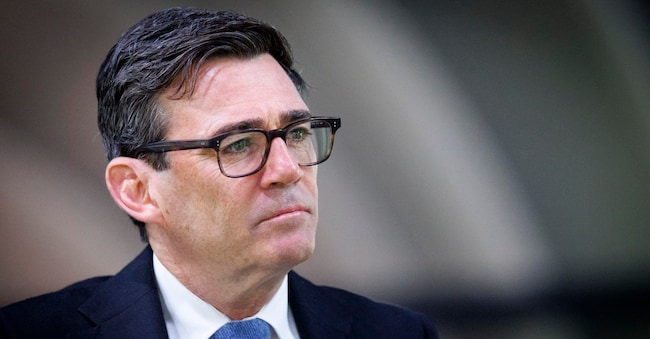
Il primo ministro britannico Andy Burnham EPA

3' min read

Translated by AI
Versione italiana

3' min read

Translated by AI
Versione italiana

LONDON – Andy Burnham’s pro-European message draws on Hans Christian Andersen. The British Prime Minister today compared Brexit to the famous fairy tale of ‘The Emperor’s New Clothes’ because of the similar refusal to acknowledge reality.

“The plain truth is that by leaving the European Union we have lost more than we have gained,” said the Labour leader in his traditional annual foreign policy speech at the Lord Mayor’s Banquet in the City. “I tell it like it is, and, quite frankly, the emperor has no clothes. The Brexit they gave us hasn’t worked.”

Loading...

Burnham highlighted two key points: firstly, the Brexit deals negotiated by the then Prime Minister Boris Johnson were “tougher and more difficult than the voters” who had voted in the 2016 referendum had wanted. Secondly, the economic benefits promised at the time have not materialised; on the contrary, Brexit has damaged trade and investment and has penalised British businesses.

Ahead of the summit with the EU on 20

This statement takes on particular significance in the run-up to the EU–UK summit scheduled for Friday in Brussels. It is expected that agreements will be signed to remove non-tariff barriers to the import and export of food and plant health products, to boost youth mobility and to harmonise the emissions market. It is forecast that the SPS (Sanitary and Phytosanitary) Agreement will have a positive impact on UK GDP of 0.4 per cent, or £17 billion.

These agreements were largely negotiated by the previous Labour Government led by Keir Starmer and finalised in recent weeks. Burnham, however, has made it clear that he intends to go much further, by reviewing and rethinking the terms of the 2019 Brexit deal.

Following Friday’s EU-UK summit in Brussels, “we will begin discussions with our EU partners on the options for our long-term relationship, recognising that both the UK and the EU have changed significantly since the past”. It will be a process “that will take time; we will present these options, together with our assessments, to guide the decisions of the next Parliament”. And “at every stage, it will be the British people who have the final say”. So said the British Prime Minister in his eagerly awaited speech at the Lord Mayor’s reception at the Guildhall in London.

All options, based on three criteria

“His government intends to explore all possible options, including rejoining the EU as a member state ‘at some point in my lifetime’,” said Burnham. In the short term, however, the ambitions are more limited, and any agreement will have to meet three criteria.

Firstly, the Prime Minister has no intention of breaking the commitments set out in the Labour Party’s 2024 election manifesto not to rejoin the single market or the customs union. Secondly, the new agreement must be better than the existing one and reflect the expectations and wishes of the people; and thirdly, it must bring tangible benefits to citizens and improve their standard of living.

The road ahead in the negotiations is therefore still a long one, but Burnham is laying the groundwork for the forthcoming elections by taking a firm stand in favour of the EU. The Prime Minister emphasised how different his approach to the EU is: ‘no longer antagonistic and aimed at burning bridges, but constructive and positive, to demonstrate that we can work together to tackle common challenges’.

Burnham’s message is that the world has changed in recent years and that only closer ties – including in the areas of security and defence – with Britain’s ‘neighbours’ can protect the country from the challenges posed by hostile nations such as Russia, China and Iran – not only through military threats but also through disinformation campaigns, online propaganda and cyber-attacks.

Loading...

Burnham has the opinion polls on his side, which have long indicated that a majority of British citizens are disillusioned with Brexit and would like closer ties with the EU; and demographics, given that young people tend to be pro-European and feel disadvantaged by the barriers to mobility erected following the UK’s exit from the EU.

Working against this are the still numerous Brexit supporters who warn of the risks of reopening decade-old wounds and reigniting the bitter disputes that split the country in two at the time of the referendum. The Conservatives have accused the Labour Government of wanting to turn the UK back into a ‘vassal’ of the EU, forced to comply with rules it did not set. The old political camps are already regrouping: even Johnson, who had left politics following the Partygate scandal, has said he is ready to return to the fray to defend ‘his’ Brexit.

Copyright reserved ©
Loading...

Brand connect

Loading...

Newsletter

Notizie e approfondimenti sugli avvenimenti politici, economici e finanziari.

Iscriviti