
Businesses and the third sector join forces to tackle waste
For Mr Gadda, Law 166 embodies social responsibility. Intesa Sanpaolo is committed to forging links that benefit local communities

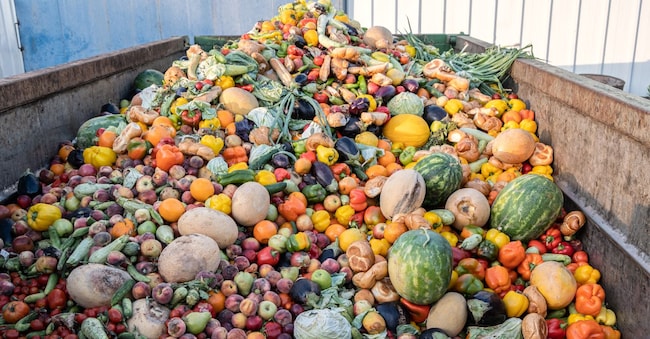
Businesses, banks and third-sector organisations: a fruitful collaboration – for targeted and innovative philanthropy in the recovery of surplus goods – from food to medicines, from tablets to toys – to be distributed to those in need. The donation system now looks beyond the food and pharmaceutical sectors, opening up ‘new’ prospects for the recovery and allocation, for charitable purposes, of goods that are still usable. However, it is necessary to implement the alliance between the for-profit sector and the third sector, including through smart linking platforms, so as to manage perishable and non-perishable goods that must be channelled towards specific, accountable projects.
This was discussed during the conference ‘Donation of Surplus Stock: A Circular Alliance with New Opportunities for Businesses’, organised by Fondazione Valore and Fondazione Terzjus, in collaboration with Intesa Sanpaolo, a founding member of Fondazione Valore. The event, held in Intesa Sanpaolo’s Conference Hall in Milan, brought together representatives from institutions, the business world and the third sector. The discussion drew on the experiences of Amazon Italia, Lidl, Granarolo, GLS, Banco Alimentare, Equoevento and Altroconsumo. The guest of honour was the singer Stash, frontman of The Kolors and the voice behind Fondazione Valore’s corporate video.
The impact of the Gadda Act
Following the introduction of Law 166/2016 up to 2025, 3.7 million tonnes of surplus food, worth 9.9 billion, were donated, in addition to over 40 million packs of recovered medicines, worth 423 million. These are the key findings of research conducted by the Terzjus Foundation and funded by the Cariplo Foundation. ‘Law 166,’ explained MP Maria Chiara Gadda, the lead signatory of the proposal, ‘has changed public discourse but also corporate language: we no longer talk about waste as a problem, but of surpluses as a resource to be utilised. The measures that have been put in place, through simplifications and tax incentives, are solutions for those who produce, sell and distribute. The law enables corporate social responsibility to be fully and effectively realised, whilst at the same time facilitating a response to social needs, the reduction of waste, and the optimisation of costs and processes. Law 166 promotes networking within companies, across different roles and functions, and with the third sector.
The value of connections
“Donating surplus goods does not merely mean avoiding waste, but putting resources that are still useful back into circulation, thereby generating economic value and social inclusion. ‘It is with this in mind,’ said Gabriele Sepio, president of Fondazione Valore, ‘that we have developed the HUB 166 platform, designed to facilitate connections between those with goods to donate and organisations that can transform them into solutions to the community’s needs.’
Forging links between businesses, the third sector and local communities , so that solidarity translates into concrete and lasting action to support the most vulnerable, is the commitment reaffirmed by Intesa Sanpaolo, through Paolo Bonassi, the bank’s Chief Social Impact Officer. For Intesa, Bonassi emphasised, it all stems “from the decision to make social commitment an ethical and strategic component of its role”.


