

‘Butterfly children’ syndrome: the first topical gene therapy in Italy
Approval from the Italian Medicines Agency means the drug, which treats wounds caused by dystrophic epidermolysis bullosa and has been awarded the ‘innovation’ label, is now eligible for reimbursement under the National Health Service

Key points
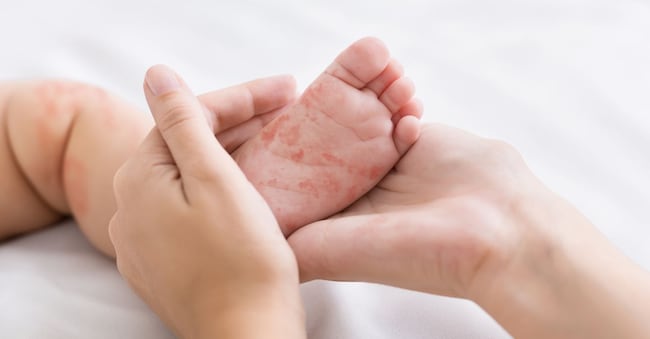
The National Health Service will reimburse the first topical gene therapy for the treatment of wounds in patients with dystrophic epidermolysis bullosa (DEB), a rare genetic skin disorder characterised by fragility of the skin and mucous membranes, which manifests itself generally and constantly through the formation of blisters and ulcers—either spontaneously or in response to trauma—leaving scars. The announcement was made by the Italian Medicines Agency (AIFA), whose Board of Directors gave its approval on 28 October following the green light granted a year and a half ago (on 23 April 2025) by the European Commission and the US FDA in May 2023.
The medicine
For people affected by ‘butterfly children syndrome’ – the name by which epidermolysis bullosa is known, as it evokes the fragility of a butterfly’s wings – it will now be possible to access treatment with beremagene geperpavec, an orphan drug produced by Krystal Biotech, which has also been granted ‘therapeutic innovation’ status. The drug – which “has demonstrated efficacy in healing lesions caused by the condition”, according to AIFA – is a topical gel applied once a week directly to the lesions by healthcare professionals or a suitably trained carer.
The therapy – as explained by the Observatory on Advanced Therapies – acts directly on the molecular cause of DEB but, unlike traditional ‘one-shot’ gene therapies administered by infusion, involves local application and requires ongoing administration over time. This flexibility in administration represents a significant benefit for patients, reducing the need for frequent hospital visits.
The disease
Dystrophic epidermolysis bullosa is a rare genetic disorder caused by mutations in the COL7A1 gene, which is responsible for the production of type VII collagen. This protein is essential for maintaining the integrity of the skin, and its absence or malfunction leads to extremely fragile skin, prone to blisters and painful wounds even following minor trauma. The recessive form of the condition (RDeb) is particularly severe, with widespread lesions that can lead to systemic complications and a reduced life expectancy.
Patients
In Italia, butterfly syndrome affects approximately 1 in every 82,000 live births, totalling around 1,500 patients, whilst worldwide the incidence is estimated at approximately one case in every 17,000 live births. Epidermolysis bullosa generally manifests in the neonatal period or early childhood, and the first symptoms usually appear in the hours immediately following birth, although some people remain asymptomatic until adolescence or adulthood.

