
From Iliad to Pepsi, provocation reignites the battle between brands
From commercials to lawsuits, brands abandon fair play and turn conflict into visibility: between symbolic appropriation and direct attacks, competition becomes a public spectacle

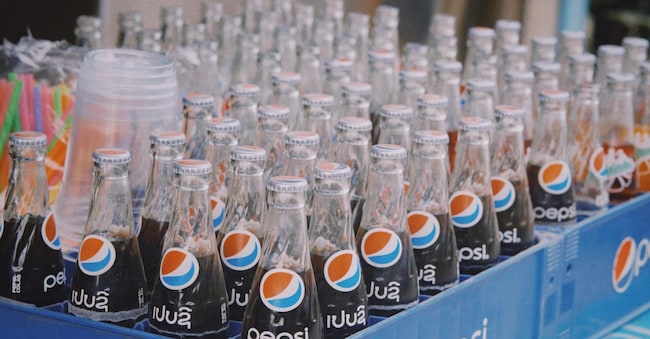
For a few months now, a frost has fallen in America between two beverage giants, and not just because there is talk of polar bears. It all started in February with the SuperBowl, but the arrival of the milder season is not calming tempers, not least in view of possible awards at the Cannes Lions 2026, scheduled for just over a month from now. It is the new 'The choice' spot, launched by Pepsi with the iconic bears associated for decades with Coca-Cola and now involved in a blind test between different products. To their surprise, one of them opts for Pepsi, triggering an identity crisis told with irony and pop nostalgia. They call it the return of the 'cola wars'. A wound never healed, but this time the tussle embraces the appropriation of the collective imagination, fighting to occupy shared cultural territories.
Polar bears - identity for Coca-Cola since 1993 - become tools of narrative rewriting by the competitor, which reuses their emotional codes. "Pepsi has hijacked one of the most recognisable brand assets in advertising history," writes Mark Stenberg in Adweek. A rivalry designed to generate virality. "The levers of humour and cultural memory have been used to reignite the cola wars for a social-first generation," Charles Taylor in Forbes rejoices.
Conflict generating engagement
No more diplomacy: in an ecosystem dominated by permanent hyper-visibility, brand wars turn into continuous narrative series, while conflict becomes engagement leverage. Public provocation and direct reference to competitors become tools for gaining attention in a content-saturated market. "Mom, brands are fighting again," headlined the Wall Street Journal, highlighting this strategy as a need to stand out.
The arrival of online disputes marks the end of confidentiality, an effect of social polarisation. Even complaints find public space: whereas before they would have remained confined to confidential phone calls and silent negotiations, today they are transformed into social content by the CEO himself. This is the case of the Fastweb-Vodafone against Iliad querelle over the use of the testimonial Megan Gale with the publication of the injunction on LinkedIn by Iliad CEO Benedetto Levi.
At war on all screens
The examples multiply. In America, Vrbo, a holiday home rental company, has posted advertisements describing itself as cooler than Airbnb in front of the tech giant's headquarters in San Francisco. CEO Brian Chesky even shared a photo of the advertisement on his Instagram account, accompanied by a smiley face hiding something else. Some time ago, the multinational food company Mondelez International sued the Dutch chocolate brand Tony's Chocolonely for infringement of intellectual property rights because it had imitated the unmistakable purple wrapper of the Milka brand in a campaign that insinuated how other, larger chocolate manufacturers exploitedcocoa farmers by underpaying them.

