

Cancer, physical activity becomes prevention and treatment at no cost
Regular exercise can reduce the risk of developing cancer by up to 20%. And have better results from treatment. the call: more attention needs to be paid to independent clinical studies

Key points
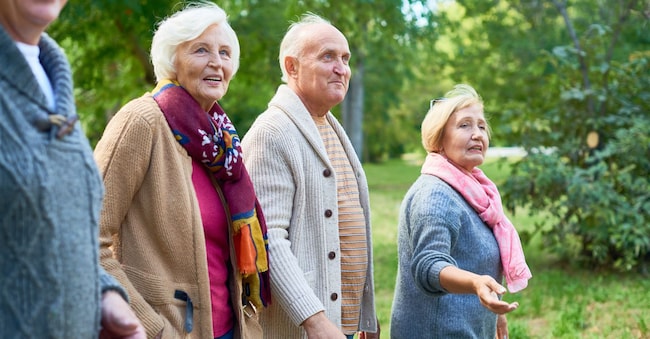
The figures make this clear. Those who regularly do physical activity see their risk of dying from cancer fall - by around 31%. And in prevention, this healthy habit lowers the risk of developing cancer by up to 20%, compared to those who are sedentary. Some of the most common forms of cancer, such as breast, bladder, colon, endometrium, oesophageal adenocarcinoma, kidney and stomach cancer, would be most affected by this pleasant and healthy habit. We can therefore have prevention and therapy at zero cost, thanks to regular exercise and the challenge to sedentariness. This was said by experts attending the XXVII National Congress of the Italian Association of Medical Oncology (AIOM) currently taking place in Rome.
Move helps, here is the evidence
A study that recently appeared in JAMA Oncology is just the latest addition to the robust sea of knowledge on the value of physical activity and shows the value of regular movement in protecting against very insidious cancers such as those of the digestive system. All this, not to mention the role of obesity, which is directly related to sedentary lifestyle. "Reducing the impact of cancer can also take place through a serious fight against extremely harmful behaviour," explains Massimo Di Maio, AIOM President-elect. Physical activity, if carried out regularly, brings enormous benefits to the individual but also to the entire community. This is why it should be promoted more among the entire population because it can enable a significant decrease in the impact of cancer'. Physical activity is not only important in prevention but also as a real support to treatment for cancer patients, even though today only 4% of patients are sufficiently active and follow specialists' recommendations. "Scientific research in recent years has shown how important exercise is not only in primary prevention but also in tertiary prevention," reports Andrea Antonuzzo, head of Medical Oncology 4, Internist and Geriatric Support Care at the National Cancer Institute in Milan. "For our patients, the benefits range from strengthening the cardiovascular system to a general improvement in muscle strength and bone density. A little sport can also counteract some of the side effects of anti-cancer therapies and improve quality of life by affecting psychological well-being'.
Knowledge among citizens
Knowledge of what the individual can do, therefore, is fundamental for cancer prevention (and more). This is confirmed by the 'Mediterranean Tour' of the Nave Amerigo Vespucci. AIOM, the AIOM Foundation and AIRC together with the Italian Society of Medical and Interventional Radiology (SIRM) attended the five-stage 'Village IN Italy' initiative that took the Navy's training ship around Italy's ports. Doctors gave practical advice to visitors while volunteers distributed information material. According to estimates provided by the Ministry of Defence, this prevention campaign generated an economic return of 15 million euros. "Thousands of citizens were reached and we explained the importance of following healthy lifestyles and carrying out screenings," adds Saverio Cinieri, President of the AIOM Foundation. People got a better understanding of the value of physical activity and healthy habits, such as weight control and abstaining from smoking. But this is not enough. 'Screening programmes for the early diagnosis of breast, colorectal and cervical cancers must also be encouraged,' Cinieri points out. So the new economic resources, provided for in the latest Manoeuvre, to extend the coverage of mammography and faecal occult blood tests are welcome. For years, however, screening adherence rates have been insufficient, especially in some parts of the country. Here too, public awareness can really make a difference and increase participation in life-saving examinations'.
For research, more focus on non-profit clinical trials
Lastly, an important appeal must be made. Another worrying fact emerges from the conference. Independent clinical research is struggling. In Italy, in 15 years (2009-2023), non-profit, i.e. non-industry-sponsored, clinical trials have decreased by 57%. "In 2023, 611 clinical trials were authorised in Italy, 212, i.e. 34.7% of the total, concerned tumours, the area in which the largest number of authorised trials is concentrated," reports Francesco Perrone, President of AIOM. "In 2023, independent studies returned to growth, reaching 106 compared to 98 the previous year. But this is not enough. The potential of oncology research in Italy is significant and our studies are capable of changing clinical practice, but we need more resources. Funding in this sector has always been undersized in our country, which ranks last in Europe in terms of public support'. The appeal is clear, also in terms of the availability of specific skills such as that of data managers. who, due to a regulatory vacuum, cannot be structured within the teams. 'We ask for support from AIFA, the Italian Drug Agency, both in terms of funding and regulatory support, to facilitate the implementation of independent studies,' Perrone concludes. AIFA, from 2005 to 2023, has made around EUR 160 million available for independent studies, enabling work to be conducted on relevant areas. Overall, to date, almost 300 clinical studies have been financed by the regulatory agency'.

