

Cancer screenings during office hours: increasing health protection in the workplace
Focus on prevention with the green light to provide for paid leave for testing in collective agreements, but the decree law also strengthens the role of the competent doctor in the area of alcohol and drug testing to prevent the risk of accidents

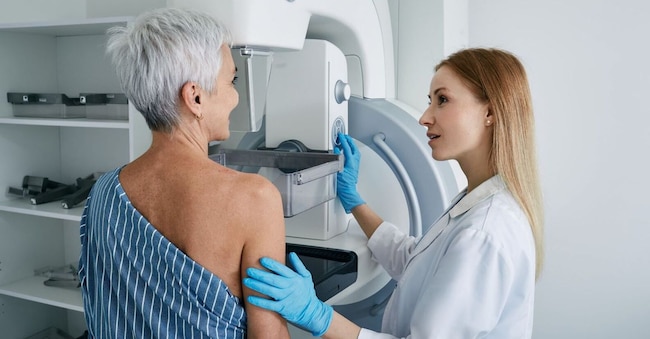
Gli screening oncologici varcano la soglia dei luoghi di lavoro. O meglio, la prevenzione entra in azienda per potenziare quella che è una delle note più dolenti del Paese: i dati in miglioramento ma ancora insufficienti di copertura dei test garantiti gratuitamente dal Servizio sanitario nazionale per i tumori del seno, della cervice uterina e del colon retto.
E’ questa una delle principali novità in ambito strettamente sanitario, introdotte dal decreto legge sulla Sicurezza nei luoghi di lavoro approvato dal Consiglio dei ministri. Un provvedimento che nel suo complesso risponde all’emergenza della strage continua dovuta agli incidenti sul lavoro che affligge il Paese e su cui il Presidente della Repubblica Sergio Mattarella accende costantemente i riflettori. Ma la sanità e la “sicurezza” della salute sono anch’esse tematiche cruciali, come il Capo dello Stato ha ricordato da ultimo alla celebrazione al Quirinale dei “Giorni della ricerca” di Fondazione Airc, sottolineando l’universa
Paid permits for screening
Constant reminders echoed in the decree 'Urgent measures for the protection of health and safety and social policies'. Among the new features are paid leave for workers for oncological screening in collective agreements, new functions for the competent doctor, and support for micro-businesses to organise health surveillance. Health Minister Orazio Schillaci put them in a row: 'Health in the workplace is one of the central competences of the ministry,' he recalls, 'and the rules included in the decree go in the direction of strengthening the activities of the prevention services of the ASLs and integrating health promotion into the health surveillance of workers, with particular regard to cancer screening. This is a significant turning point for improving the quality of all initiatives to protect workers' health'.
Specifically, the decree law integrating Article 39 of Legislative Decree 81 of 2008 establishes that, within the scope of collective bargaining, workers may be granted paid leave to carry out oncological screenings guaranteed by the National Health Service during working hours, and that the competent doctor promotes activities to raise awareness of participation in screenings. This is aimed at facilitating workers' access to oncological screenings, reconciling work and life time, and at the same time promoting a widespread culture of prevention in the workplace. It is also envisaged that companies that adopt health promotion programmes, in addition to compulsory health surveillance, may benefit from incentives and discounts on INAIL insurance premiums.
A crackdown on alcohol and narcotics
The decree strengthens the role of the competent doctor in relation to checks on the use of alcohol and drugs in order to prevent the risk of accidents. In particular, the possibility of a medical examination, before or during the work shift, in the presence of 'reasonable doubt' is envisaged in order to verify, for risk categories already currently subject to specific health checks for alcohol and drug addiction, that the worker is not under the influence of alcohol or narcotic, psychotropic or psychoactive substances.
The decree, the Ministry of Health then reminds us, also stipulates that the resources of the ASLs that derive from sanctions for violations of occupational safety regulations are to be invested to strengthen the activities of the Services for Prevention and Safety in the Workplace, especially in the sectors with the highest risk.

