

Cancer, 'tailor-made' therapy is a reality: customised drugs for over 50,000 patients in Italia
Thanks to modern diagnostic techniques, the disease can be profiled and thus an 'ad personam' treatment can be set up, with important advantages not only for the person but also for health care

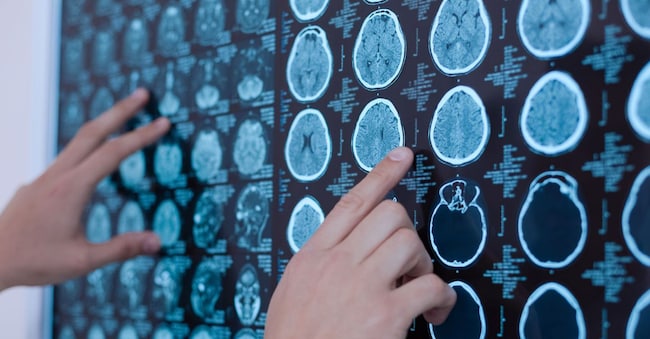
'One size fits all'. There was a time when there was a kind of 'one size fits all' treatment for cancer, through an equal pathway for all patients. Today this is no longer the case. Step by step, the opportunities to plan a customised treatment pathway for each patient, with tailor-made approaches, are constantly growing. Today, 13% of all cancer patients are potentially eligible for a targeted therapy, which means that in Italy alone more than 50,000 cancers a year could be treated with a 'tailor-made' drug.
Targeted Care
The important thing is to realise the identikit of the neoplasm and make the most of the opportunities offered by technology, remembering how much and how it can make a difference in terms of precision medicine. One fact for all: in the most frequent cancers, more than 40% of cases require molecular profiling in order to choose the most appropriate treatment. In short, the treatment of tumours is increasingly passing through personalised medicine. All this, with an optimal use of medicines and more generally of therapies, as well as greater effectiveness and appropriateness of healthcare. Describing what appears to be a 'new paradigm' in the fight against cancer are the experts present in Rome at the international conference Italian Summit on Precision Medicine promoted by the Foundation for Personalised Medicine (Fmp).
Closer lab and clinic
The important scientific assembly will be attended by 150 researchers and clinicians. And it highlights how much and how personalised medicine applied to cancer represents a scientific breakthrough that now belongs to patients. This is confirmed by Paolo Marchetti, President of the FMP, who recalls how this approach has 'great advantages that also fall on the national health service and the community as it can contain the costs of assistance and treatment for cancer, which amount to 6.5 billion euros every year in Italia,' he commented. 'It is now more necessary than ever to speed up the translation of the principles of personalised medicine into medical practice. We could not only limit the use of unnecessary drugs but also monitor the progression and remission of neoplasms as well as ensure better prevention and earlier therapeutic interventions. The transition from the laboratory to the clinic needs to be implemented, barriers to access need to be broken down, and healthcare systems need to be built to integrate genomic innovation into routine care. Thanks to extremely precise examinations, guaranteed by technologies such as Ngs, we are analysing the individual genomic alterations of a tumour in great detail. It is a therapeutic approach that is revolutionising treatment and redefining patients' life expectancy'.
In short: the road is marked. 'The challenge now is to increase the performance of tests capable of ensuring personalised medicine,' Marchetti concludes. 'At the same time, we must be increasingly able to interpret the results obtained in order to be able to give the best therapeutic indications.
Science and Ethics in the Field
The experts attending the Capitoline summit come from all over the world to address the 'hottest' topics on the scientific and care front. They talk about biomarkers and innovative clinical trials, new therapeutic strategies (cell therapy, vaccines, radioligands), next-generation conjugated antibodies, global access to precision medicine, organisational models and implementation in daily clinical practice. "It is a rapidly evolving field that fuses genomics, molecular biology, artificial intelligence and advanced pharmacology to personalise cancer treatments,' continues Giuseppe Curigliano, President-elect of Esmo (European Society of Medical Oncology) and Professor at the Dipo - Department of Oncology and Haemato-Oncology of the Università Statale di Milano. These are technical-scientific but also ethical, legal and economic issues that do not always ensure the full implementation of clinical research in this field. Our conference represents a unique opportunity to get the world's leading experts around the same table, share the latest data, and together chart a common course towards increasingly effective treatments. Italia has the skills and the vision to play a leading role in a therapeutic revolution that is underway and cannot be stopped'.

